
Hoya purpureofusca
Hoya purpureofusca
Description
Growing requirements
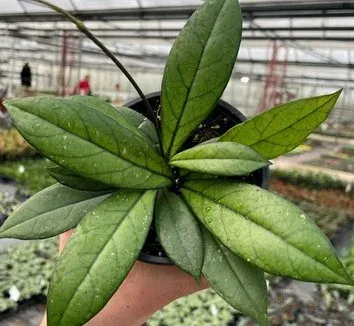
Hoya purpureofusca is a perennial climbing plant belonging to the Apocynaceae family. Native to the tropical rainforests of Southeast Asia, it is highly valued by collectors for its dark, distinctively veined leaves and clusters of star-shaped, fragrant flowers.
In terms of light requirements, this species flourishes in bright, indirect light. Exposure to intense, direct sunlight for extended periods can cause scorching, while low light conditions inhibit blooming and result in elongated, weak stems.
The substrate must be well-draining, mimicking the epiphytic nature of the plant. A mix of orchid bark, perlite, and high-quality peat or coco coir is ideal to ensure proper aeration and prevent moisture from suffocating the roots.
Temperature management is critical for the health of the plant. It requires warm tropical conditions, ideally between 20°C and 25°C during the growing season. It should be kept away from cold air drafts or air conditioning vents.
Watering should be approached with caution, following a soak-and-dry method. The plant needs enough moisture to stay hydrated, but the growing medium should never become waterlogged, as this is the primary cause of root failure.
Main diseases and pests
Mealybugs are the most common pest affecting Hoya purpureofusca, typically hiding in the leaf axils. Spider mites can also manifest if the ambient humidity levels are consistently too low, leading to discoloration of the foliage.
Fungal infections often occur due to poor air circulation or overwatering. These pathogens quickly attack the stem and root zones, leading to tissue decay and the eventual collapse of the vine if left untreated.
Effective management strategies involve the use of specialized insecticides or horticultural oils to eliminate infestations. Early detection through regular leaf inspection is essential for maintaining plant vigor.
Preventive maintenance includes cleaning the leaves with a damp cloth to remove dust and ensuring that the plant is situated in an area with good air movement to discourage fungal development.
Proper nutritional balance is key, as over-fertilizing can make the plant more susceptible to pests. A dilute, balanced fertilizer applied during the active growing phase supports long-term structural health.