
Hoya pubicalyx
Hoya pubicalyx
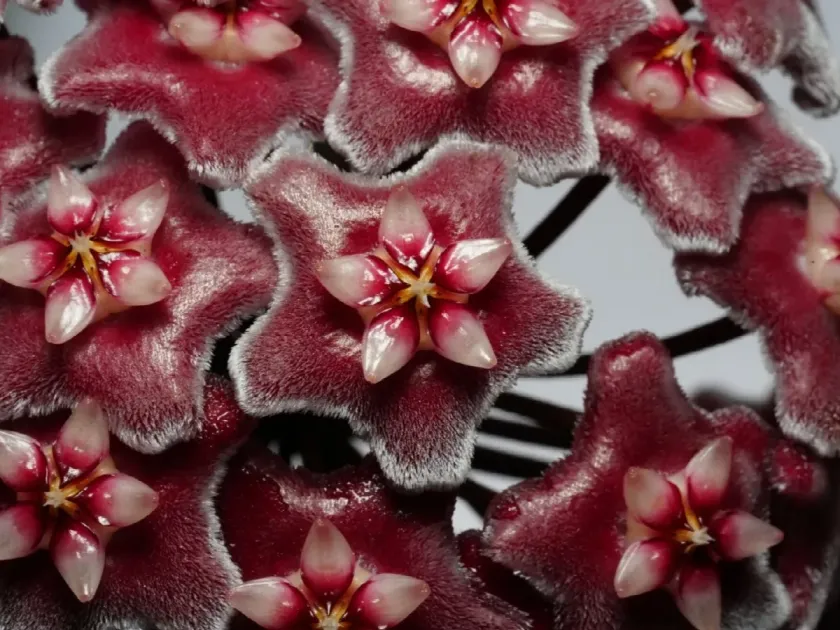
Description
Growing requirements
Hoya pubicalyx is a vigorous climbing vine belonging to the Apocynaceae family. Native to the Philippines, this species is known for its beautiful foliage and fragrant umbel-shaped flowers, which are highly valued in ornamental horticulture.
This crop requires bright, indirect light to thrive and bloom effectively. While it can adapt to lower light conditions, consistent flowering is only achieved when the plant receives filtered sunlight for most of the day.
Cultivation requires a well-draining potting medium specifically designed for epiphytic plants. A mixture of orchid bark, perlite, and coconut husk chips ensures optimal drainage and allows the roots to breathe properly.
The ideal temperature for Hoya pubicalyx is between 18°C and 26°C. While the plant is resilient, it should be protected from cold drafts and temperatures below 12°C, which can cause significant stress to the foliage.
Watering practices should follow the "soak and dry" method. It is essential to let the substrate dry out significantly between waterings to prevent the development of anaerobic conditions around the root system.
Main diseases and pests
The most common pests affecting Hoya pubicalyx include mealybugs, aphids, and spider mites. These pests tend to colonize the undersides of leaves and the growing tips of the vines, extracting sap and causing stunted growth.
Root rot, caused by fungal pathogens such as Pythium or Phytophthora, is the primary disease threat. This usually occurs due to excessive watering or the use of heavy, water-retaining soil mixes.
Effective pest management involves regular monitoring and physical removal of insects using alcohol-soaked swabs, followed by the application of horticultural oils or systemic insecticides if the infestation is severe.
Maintaining proper hygiene by removing dead leaves and debris from the pot surface is crucial in preventing fungal outbreaks. Good air circulation also helps to reduce humidity around the leaves.
If fungal infection is suspected, immediate action is required. The plant should be unpotted, damaged roots trimmed, and the remaining healthy parts repotted into fresh, sterile, well-draining potting material.