
Hoya puber
Hoya puber
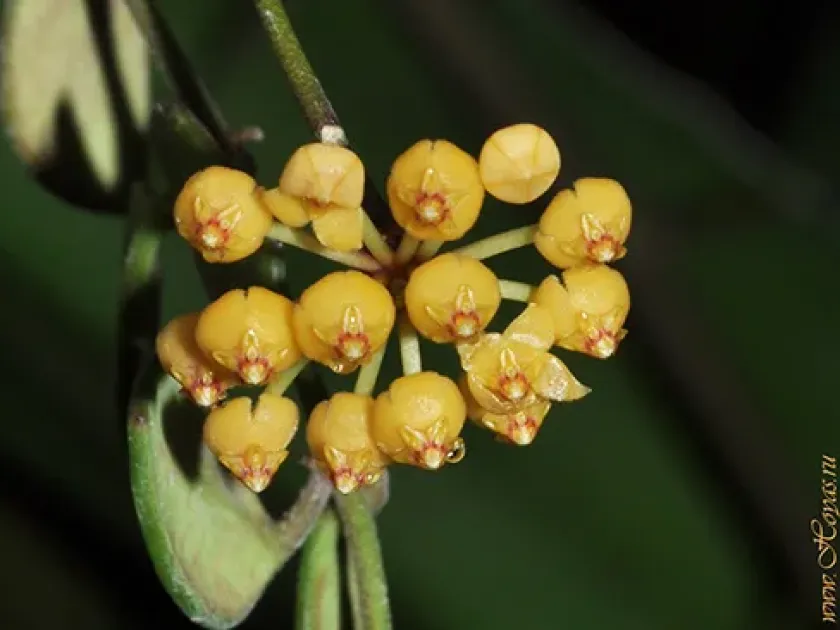
Description
Growing requirements
Hoya puber is an evergreen epiphytic vine belonging to the Apocynaceae family. Native to the tropical regions of Southeast Asia, this species has adapted to life in humid environments where it climbs trees to reach dappled sunlight.
The plant requires bright, indirect sunlight to thrive. While it can tolerate lower light levels, excessive shade often results in stunted growth and a lack of bloom production. Avoiding direct afternoon sun is crucial to prevent leaf scorching.
A stable ambient temperature between +20°C and +26°C is considered ideal for consistent development. The plant is sensitive to cold drafts and sudden drops in temperature, which can stress the root system and cause foliage drop.
Growing substrate must prioritize excellent drainage and aeration. A mix consisting of orchid bark, perlite, and coconut husk is recommended to simulate the natural epiphytic growing conditions found in the tropical wild.
Watering management should focus on maintaining a consistent moisture level without creating waterlogged conditions. Allow the top layer of the substrate to dry out between watering sessions to ensure proper oxygen exchange in the root zone.
Main diseases and pests
The most common pests affecting Hoya puber include spider mites and mealybugs. Spider mites thrive in dry conditions, while mealybugs tend to hide in leaf axils, making them difficult to detect until an infestation is well established.
Root rot is the primary disease risk, often triggered by overwatering or poor drainage. Symptoms include yellowing leaves and soft, brown stems that indicate the plant is failing to absorb necessary nutrients due to root decay.
Fungal infections, such as leaf spot, may appear if air circulation is insufficient. Ensuring the plant is not overcrowded and maintaining a light breeze around the foliage can prevent most fungal outbreaks.
Treatment involves isolating the affected plant and applying targeted biological or chemical agents. Neem oil or mild insecticidal soaps are effective for early-stage pest control without harming the plant.
Strict adherence to sanitation protocols, such as disinfecting tools between pruning and ensuring pot drainage, is essential for maintaining a healthy collection of these tropical vines.