
Hoya polyneura
Hoya polyneura
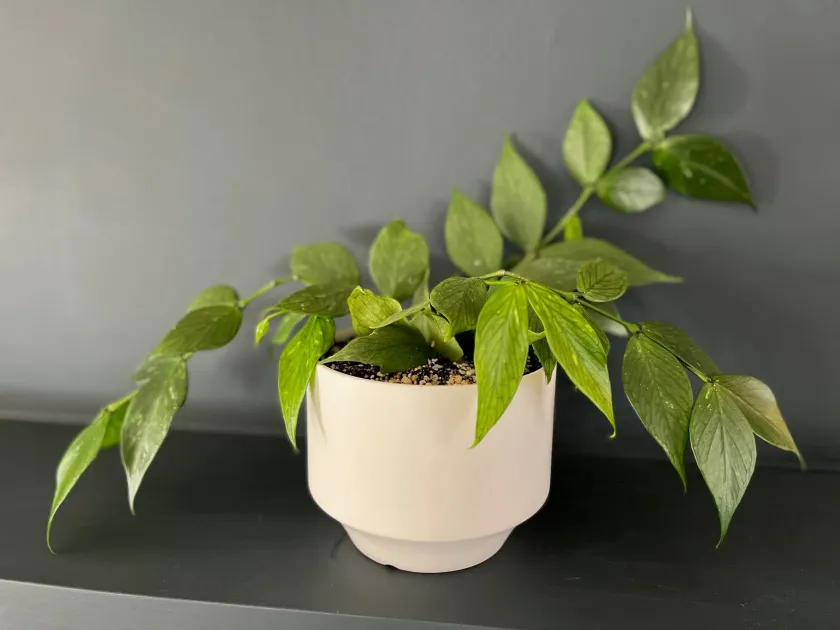
Description
Growing requirements
Hoya polyneura, commonly known as the fish-tail hoya, is an epiphytic vine belonging to the Apocynaceae family. Native to the Himalayan region, this species thrives in cooler, high-humidity mountainous environments, which distinguishes it from many tropical lowland hoyas.
The culture requires bright, indirect light to maintain its characteristic leaf patterns and healthy growth. While it appreciates high light levels, exposure to direct afternoon sun can scorch the foliage, so positioning in east or west-facing areas is highly recommended for optimal results.
Cultivation substrates must prioritize drainage and aeration. A specialized mix consisting of bark, coco peat, charcoal, and perlite provides the necessary structure to prevent compaction. This mimics the plant's natural habitat where roots are accustomed to good airflow and limited moisture retention.
Temperature management is crucial for the health of Hoya polyneura. Unlike tropical varieties, this species prefers cooler temperatures, ideally ranging between 15°C and 22°C. Excessive heat stress can cause wilting and negatively impact the plant's overall metabolic performance.
Watering frequency depends on the environmental humidity and light levels. It is essential to let the substrate dry out partially before re-watering. During the winter dormancy, irrigation should be significantly reduced to allow the plant a resting period, which encourages future blooms.
Main diseases and pests
Mealybugs are the most common pest associated with Hoya polyneura. These insects hide in the leaf axils and along the stems, feeding on plant sap and potentially causing stunted growth or yellowing of the leaves if left untreated by appropriate contact insecticides.
Spider mites can also become problematic, especially in dry and poorly ventilated indoor environments. These pests create fine webbing, usually on the underside of the leaves, which causes discoloration and can lead to severe damage if the infestation is not controlled early.
Root rot is the primary physiological threat to the plant, primarily caused by overwatering or using heavy, non-porous soil media. Once the roots are compromised, the foliage typically loses its turgor, turns yellow, and eventually drops off, signaling a critical failure in cultivation.
Fungal pathogens often flourish if there is a lack of air circulation around the plant foliage. Maintaining a gentle breeze or ensuring adequate spacing between plants significantly reduces the risk of leaf spotting and stem rot caused by persistent high humidity on the leaf surfaces.
Effective management includes regular inspection and maintaining hygiene protocols. When pests are detected, the use of neem oil or systemic insecticides is advised to clear the colony without damaging the succulent tissues of the vine, ensuring the plant remains vigorous and aesthetically pleasing.