
Hoya pentaphlebia
Hoya pentaphlebia
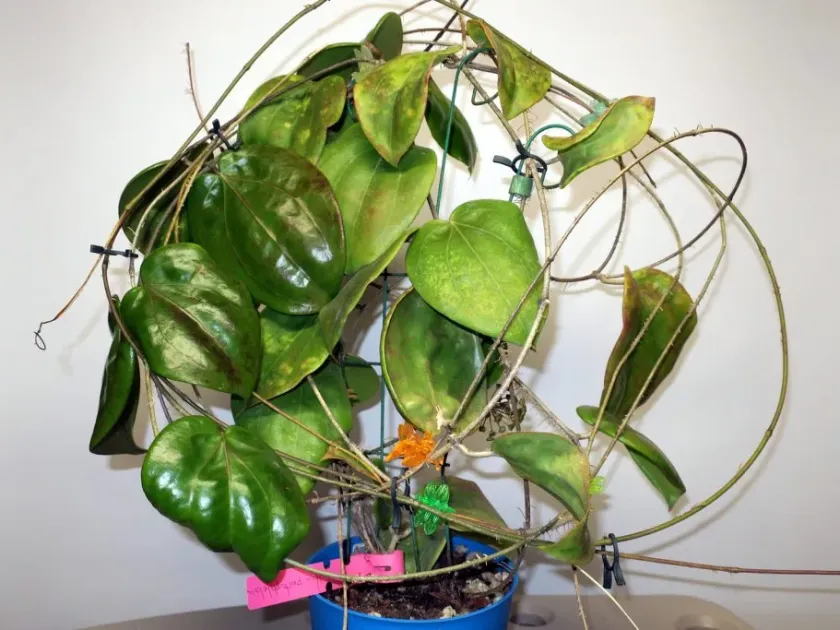
Description
Growing requirements
Hoya pentaphlebia is a notable species within the Apocynaceae family, native to the tropical rainforests of the Philippines. It is widely recognized by botanists and collectors for its broad, prominently veined leaves and climbing habit.
As an epiphyte, this plant requires a well-draining, airy substrate. A standard mix typically includes orchid bark, perlite, and a small amount of peat moss to balance moisture retention and oxygen flow to the roots.
Temperature management is critical for the survival of this species. It thrives in an environment between 20°C and 25°C, requiring protection from any cold drafts or abrupt temperature fluctuations that can cause leaf drop.
Light intensity should be high but diffused. While the plant can tolerate some morning sun, exposure to harsh afternoon rays can cause significant bleaching and damage to the sensitive leaf surface.
Humidity is a vital factor for the healthy development of Hoya pentaphlebia. In domestic conditions, maintaining a level above 50 percent is recommended to mimic the tropical atmosphere of its natural habitat.
Main diseases and pests
The most frequent threats to the plant include mealybugs and scale insects. These pests often congregate in leaf axils, necessitating frequent inspections to prevent widespread infestation.
Root rot remains the primary pathological concern for growers. It is usually triggered by improper drainage or an over-zealous watering schedule, particularly during the winter dormancy period.
Spider mites are common in drier environments. If the air humidity is not managed correctly, these tiny pests can rapidly colonize the undersides of the leaves, resulting in yellowing and stunted growth.
Fungal infections can develop if water accumulates on the leaves and stems without adequate air circulation. Ensuring good ventilation around the foliage is a key preventative measure.
Integrated pest management, including the use of neem oil or targeted insecticides, should be employed at the first sign of pest activity to ensure the longevity of the plant.