
Hoya parvifolia
Hoya parvifolia
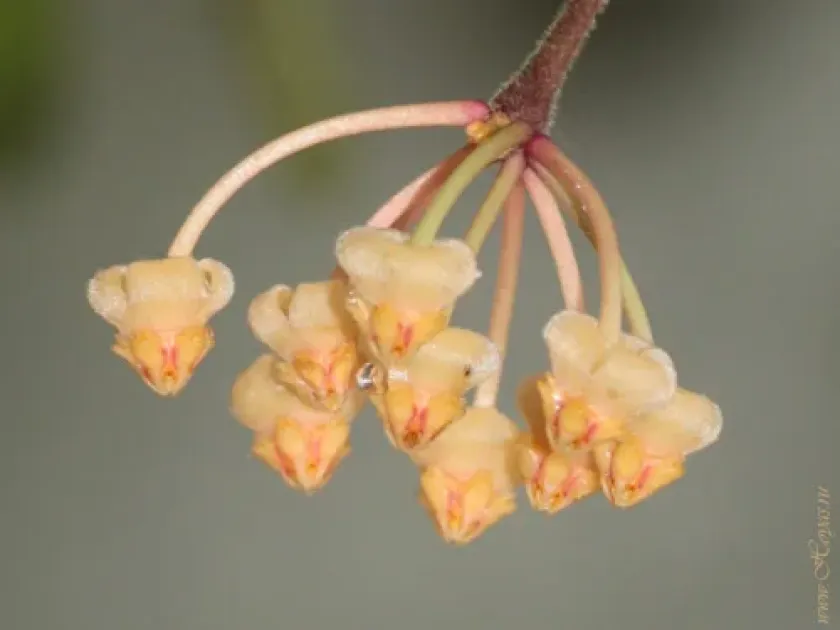
Description
Growing requirements
Hoya parvifolia is a small-leaved member of the Apocynaceae family, originating from the tropical regions of Southeast Asia. It is classified as an epiphytic vine, naturally adapted to climbing tree trunks and utilizing dappled light under the forest canopy.
Successful cultivation requires a climate that mimics its tropical home, specifically maintaining temperatures between 22°C and 26°C. It is highly sensitive to cold drafts and extreme fluctuations, which can cause premature leaf drop and stunted growth.
The substrate must be highly porous and well-draining to prevent root suffocation. Experienced growers prefer a mixture of orchid bark, perlite, and coconut husk chunks, which provides the necessary aeration and moisture retention balance for the plant's delicate root system.
Regarding light, Hoya parvifolia thrives in bright, indirect light. While it can tolerate lower light levels, bright conditions are essential for vigorous growth and potential blooming. Direct sunlight should be filtered or limited to early morning hours to prevent leaf scorching.
Watering practices are critical for the health of this species. The plant should be watered thoroughly, allowing excess water to drain completely, and the substrate should be allowed to dry out significantly between watering sessions to ensure oxygen reaches the roots.
Main diseases and pests
Common pests associated with this species include mealybugs and spider mites, which frequently hide in the axils of the leaves. Manual removal or the application of insecticidal soaps and systemic pesticides is recommended for effective control.
Pathogenic threats usually involve root rot and other fungal infections, which are almost always caused by waterlogged soil conditions. Proper horticultural hygiene, including regular disinfection of pots and tools, is essential for maintaining a healthy collection.