
Hoya parviflora
Hoya parviflora
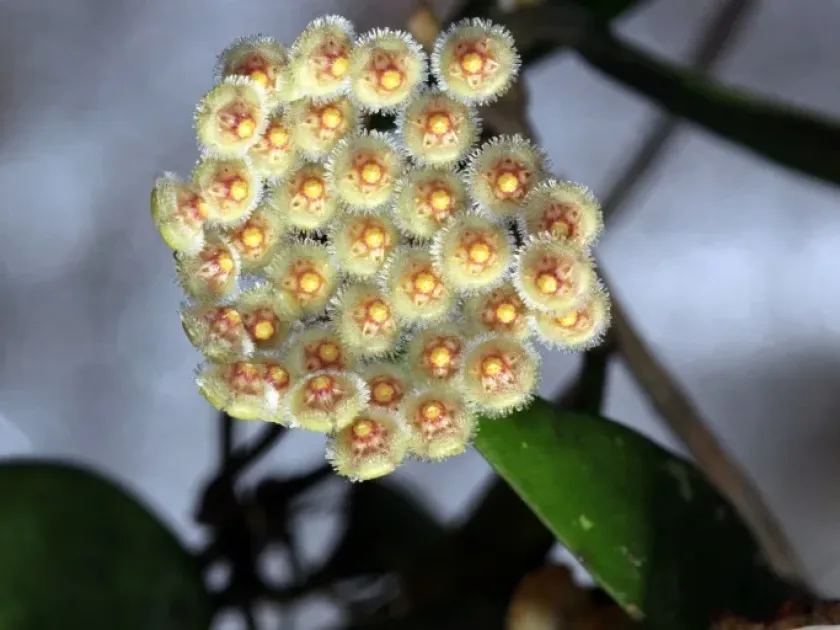
Description
Growing requirements
Hoya parviflora is an evergreen tropical vine belonging to the Apocynaceae family. Native to the forests of Southeast Asia, this species primarily grows as an epiphyte, using its aerial roots to anchor itself onto tree trunks in a canopy environment.
This plant thrives in tropical conditions, requiring stable temperatures between 20°C and 25°C. It is highly sensitive to cold drafts and should be kept away from air conditioning vents or areas with significant temperature fluctuations throughout the year.
For optimal growth, the substrate must be highly porous and well-draining. A typical agricultural mix for this species consists of pine bark, perlite, horticultural charcoal, and coco peat, ensuring excellent airflow to the root system at all times.
Bright, indirect sunlight is essential for Hoya parviflora to maintain its health and bloom potential. While it can tolerate lower light levels, direct exposure to intense noon sun can scorch the delicate foliage and damage the stems.
Proper water management involves allowing the growing medium to dry out almost completely between waterings. Overwatering is the most common cause of failure in cultivating this species, as it quickly leads to root hypoxia and fungal rot.
Main diseases and pests
Common pests affecting Hoya parviflora include mealybugs and spider mites. These insects tend to thrive in dry conditions or when the plant is stressed, often hiding in the tight junctions where leaves meet the stems.
Root rot is the most significant disease risk, usually triggered by poor drainage or excessive soil moisture. Once root decay begins, it can spread rapidly, often necessitating stem cuttings for total plant recovery.
Control methods involve the use of systemic insecticides for pest management and strict adherence to a dry-down cycle for the soil to prevent fungal infections from establishing.
Regular maintenance, such as gently cleaning the leaves and inspecting the undersides for webbing or white fluffy deposits, is vital for early detection and control of potential infestations.
Maintaining a balanced environment with moderate airflow helps prevent the accumulation of moisture on the foliage, which is a common site for bacterial and fungal spot development.