
Hoya ovalifolia
Hoya ovalifolia
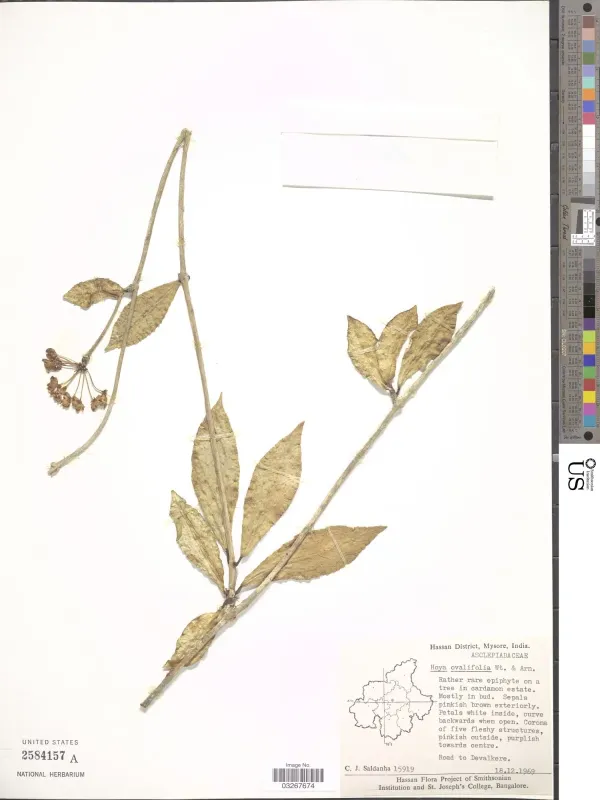
Description
Growing requirements
Hoya ovalifolia is a perennial epiphytic vine belonging to the Apocynaceae family. Native to the tropical forests of Southeast Asia, this species has evolved to thrive in warm, humid environments where it grows attached to trees.
The culture requires bright, indirect light to maintain its foliage health and structural integrity. Avoiding harsh, direct sun exposure is essential, as the leaves can easily develop scorched patches or lose their vibrant green color.
A well-draining, airy substrate is fundamental for this plant. A mix containing orchid bark, perlite, and high-quality peat or coconut coir provides the necessary root aeration and prevents the fatal issue of soil compaction.
Water management is the most critical aspect of Hoya ovalifolia cultivation. The plant prefers to be watered thoroughly but allowed to dry out significantly between sessions to mimic the natural cycles of moisture it experiences in its native habitat.
Temperature requirements range from +20°C to +26°C throughout the growing season. It is vital to protect the plant from cold drafts and sudden temperature drops, which can lead to stress and leaf drop.
Main diseases and pests
Mealybugs are the most persistent pests affecting Hoya ovalifolia, often hiding in the leaf axils where they feed on the sap. Regular monitoring is necessary to catch infestations early before they spread.
Root rot, caused by overwatering or poor drainage, remains the primary cause of plant death. It manifests as a softening of the stems and browning of the root system, requiring prompt repotting and soil replacement.
Scale insects can also infest the foliage, appearing as small, brown, hard bumps. These should be manually removed or treated with appropriate systemic insecticides to ensure they do not cause permanent damage.
Fungal leaf spot can occur if there is insufficient airflow or if the plant remains wet for too long. Improving ventilation and isolating the plant from cold, humid corners is recommended to prevent these issues.
Proper sanitation, including the sterilization of pruning tools and ensuring clean pots, is the best strategy for maintaining the long-term vigor of the plant in an indoor or greenhouse setting.