
Hoya obscura
Hoya obscura
Description
Growing requirements
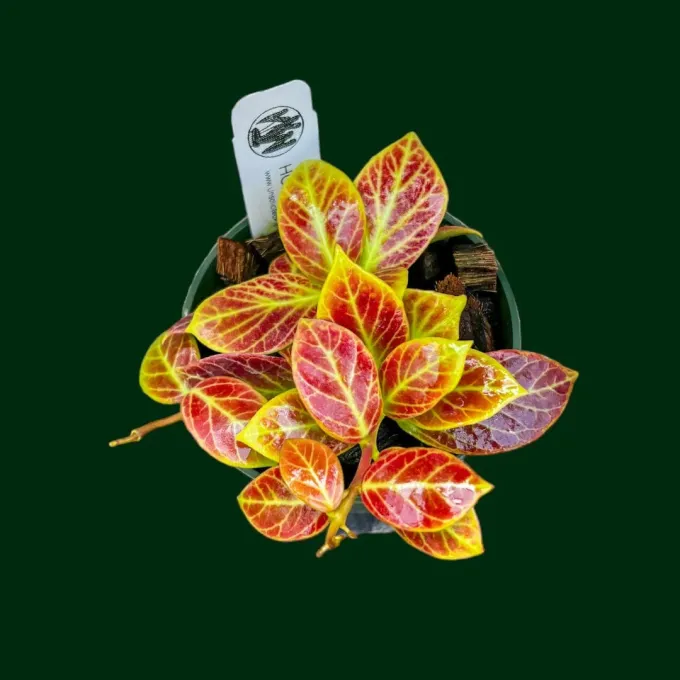
Hoya obscura is an evergreen tropical vine belonging to the Apocynaceae family, specifically the Asclepiadoideae subfamily. Native to the Philippines, this species thrives in humid forest environments, acting as a climbing epiphyte on trees and rock faces.
The plant is highly regarded for its attractive, leathery foliage. When exposed to bright, indirect light, the leaves often develop a distinct bronze or red hue, which is a key aesthetic characteristic of this particular Hoya variety.
Cultivation requires a stable environment with temperatures between 18 and 26 degrees Celsius. It is essential to avoid cold drafts, which can cause significant stress to the plant and lead to leaf loss or yellowing.
A well-draining soil mix is critical for the health of Hoya obscura. A mixture composed of orchid bark, perlite, coco peat, and a small amount of charcoal is highly recommended to prevent the roots from becoming waterlogged.
Lighting should be bright but filtered. While the plant can tolerate lower light levels, it requires adequate intensity to bloom and to maintain its coloration. Direct sun should be limited to early morning hours to avoid leaf scorch.
Main diseases and pests
The most common pests affecting Hoya obscura are mealybugs and spider mites. These pests thrive in dry environments and tend to congregate in the leaf axils or on the undersides of leaves, requiring regular monitoring and cleaning.
Root rot is the most significant physiological threat, usually caused by overwatering or poor drainage. To mitigate this risk, growers should ensure that the substrate dries out sufficiently between waterings and utilize pots with adequate drainage holes.