
Hoya nummularioides
Hoya nummularioides
Description
Growing requirements
Hoya nummularioides is a perennial epiphytic plant belonging to the Apocynaceae family. It is native to the tropical regions of Southeast Asia, thriving naturally in humid environments under a dense canopy of trees.
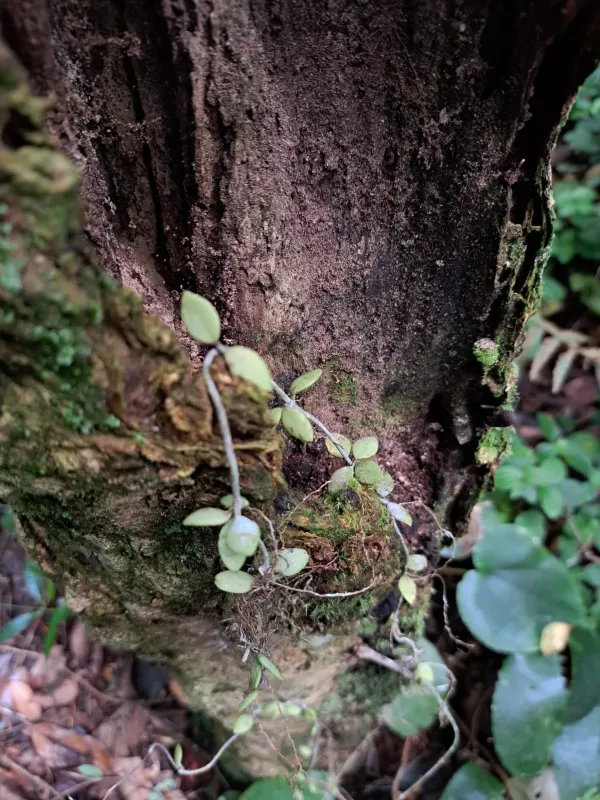
The plant is characterized by its trailing stems and small, succulent, rounded leaves covered with fine pubescence. Its aesthetic value is primarily attributed to its clusters of fragrant, pale-colored flowers that emit a pleasant vanilla-like scent.
The optimal growth temperature for this culture ranges between 20°C and 25°C. It is highly sensitive to sudden drops in temperature and should be protected from cold drafts, which can negatively affect its physiological processes.
The substrate must be extremely light and porous to ensure proper oxygen exchange at the roots. A professional soil mix typically consists of pine bark, coco peat, and perlite to prevent compaction and waterlogging.
Irrigation should be balanced: allow the top layers of the soil to dry out between waterings. Humidity management is crucial; keeping the air humidity elevated is essential for maintaining the health of the leaves and preventing stress.
Main diseases and pests
The most common pests affecting this species are mealybugs and spider mites. These pests thrive in dry conditions and can quickly compromise the plant's overall vitality if not managed early.
Root rot is the most significant disease, usually caused by overwatering or poor drainage. Once roots begin to decay, the plant struggles to uptake nutrients, leading to yellowing of the foliage and eventual collapse of the stems.
Integrated pest management involves physical removal of insects and the application of systemic pesticides when infestations are identified. Preventive measures include ensuring good airflow and frequent inspection of the leaf undersides.
Fungal infections can also occur if the foliage remains wet for extended periods in cool, stagnant air. Proper ventilation is a key agronomic requirement to keep the plant in a disease-free state.
Monitoring for any signs of stress, such as leaf wilting or discoloration, is vital. Consistent adherence to these cultural practices ensures long-term success in cultivating this unique Hoya species.