
Hoya mitrata
Hoya mitrata
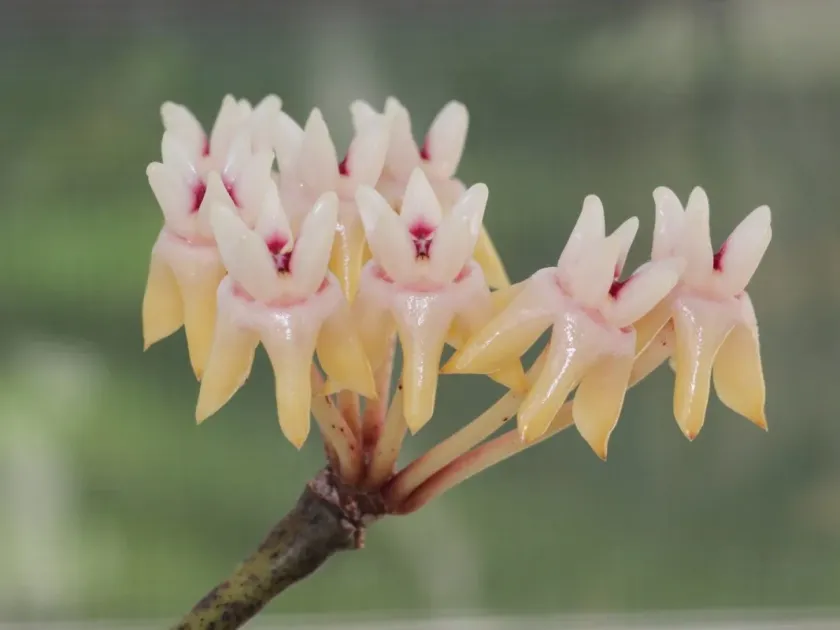
Description
Growing requirements
Hoya mitrata is a distinct epiphytic vine belonging to the Apocynaceae family. Native to the tropical rainforests of Southeast Asia, specifically Malaysia, it has evolved a unique growth habit characterized by nest-like foliage that accumulates organic matter.
The plant exhibits succulent-like leaves that are specialized to store moisture and nutrients. In its natural habitat, it functions as a niche-filling species, utilizing the trunks of large trees as structural support while gathering resources from the canopy debris.
For optimal growth in cultivation, Hoya mitrata requires a tropical environment with temperatures consistently between 22°C and 28°C. It is highly sensitive to cold drafts and rapid temperature fluctuations, which can trigger leaf drop and stunted development.
The substrate must be highly porous to mimic epiphytic conditions. A mixture of orchid bark, perlite, horticultural charcoal, and a small amount of coco coir provides the necessary drainage and aeration required for the root system to remain healthy.
Lighting should be bright but filtered. Intense direct sunlight will lead to chlorosis and leaf burn, while insufficient light levels will result in weak, leggy stems and poor flowering potential. Proper placement near a light source is essential for vigorous growth.
Main diseases and pests
Mealybugs are the most common pest found on Hoya mitrata, often nesting deep within the foliage structure. Regular inspection of the leaf axils is necessary to detect infestations early and prevent extensive damage to the plant.
Root rot is the primary physiological threat caused by overwatering or poor drainage. Once the root system is compromised by anaerobic bacteria or fungi, the plant struggles to recover, often necessitating immediate repotting and fungicide application.
Spider mites can rapidly proliferate in low-humidity conditions, causing fine webbing and foliage stippling. Maintaining ambient humidity or using a fine mist can help deter these pests, along with targeted applications of biological or chemical control agents.
Fungal leaf spot diseases may occur if the plant is kept in stagnant, humid conditions with no airflow. Ensuring good air circulation through mechanical means, such as small fans, is a recommended preventative measure in professional collections.
Viral infections can occasionally occur, manifesting as distorted leaves or unusual patterns. Because there is no cure for systemic viral infections, the best practice is the immediate isolation and removal of the affected specimen to protect the rest of the collection.