
Hoya mindorensis
Hoya mindorensis
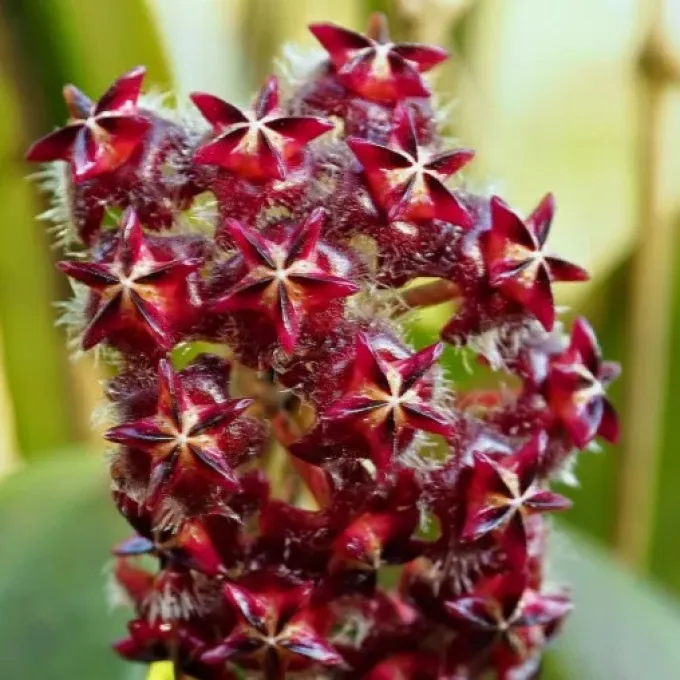
Description
Growing requirements
Hoya mindorensis is a captivating member of the Apocynaceae family, native to the tropical forests of the Philippines. This evergreen vine is highly regarded for its dense, umbrella-shaped clusters of vibrant, waxy flowers that make it a favorite among indoor plant enthusiasts.
The culture thrives in stable environmental conditions with temperatures ranging from 22°C to 26°C. It is sensitive to sudden drops in temperature and cold drafts, which can lead to leaf drop and a halt in growth processes during the winter season.
Bright, indirect light is essential for the healthy development of this Hoya species. While it needs plenty of light to bloom, harsh direct sun must be avoided, as it can scorch the thick, leathery leaves and lead to permanent damage.
The soil requirement involves a porous, well-draining substrate that mimics the epiphytic nature of the plant in the wild. A mixture consisting of pine bark, perlite, charcoal, and coconut husks is highly recommended to provide adequate aeration to the root system.
Consistent humidity levels, ideally between 60% and 80%, are vital for healthy growth. Regular misting or the use of a room humidifier will prevent the foliage from drying out, especially in indoor environments where air conditioning or heating is used.
Main diseases and pests
Mealybugs are the most common pest challenge for Hoya mindorensis, often hiding in leaf axils and flower peduncles. Their presence can be identified by white, cottony masses, which should be treated immediately with horticultural soap or systemic insecticides.
Spider mites pose a significant threat during periods of low humidity, causing fine webbing and yellowing leaves. Increasing humidity levels and maintaining good airflow are primary methods for both prevention and managing minor infestations.
Root rot is a prevalent disease caused by overwatering or using a heavy, poorly draining substrate. If the roots remain constantly waterlogged, they will quickly decay, which eventually leads to the wilting and death of the entire plant.
Fungal leaf spots can develop when water remains stagnant on the foliage for extended periods, particularly in poorly ventilated spaces. Ensuring the plant stays dry at night and providing good air circulation is crucial for disease prevention.
Sanitation is key to managing pest and disease outbreaks. Always sterilize cutting tools before pruning and remove any dead or infected plant tissue to prevent the spread of pathogens throughout your collection.