
Hoya memoria
Hoya memoria
Description
Growing requirements
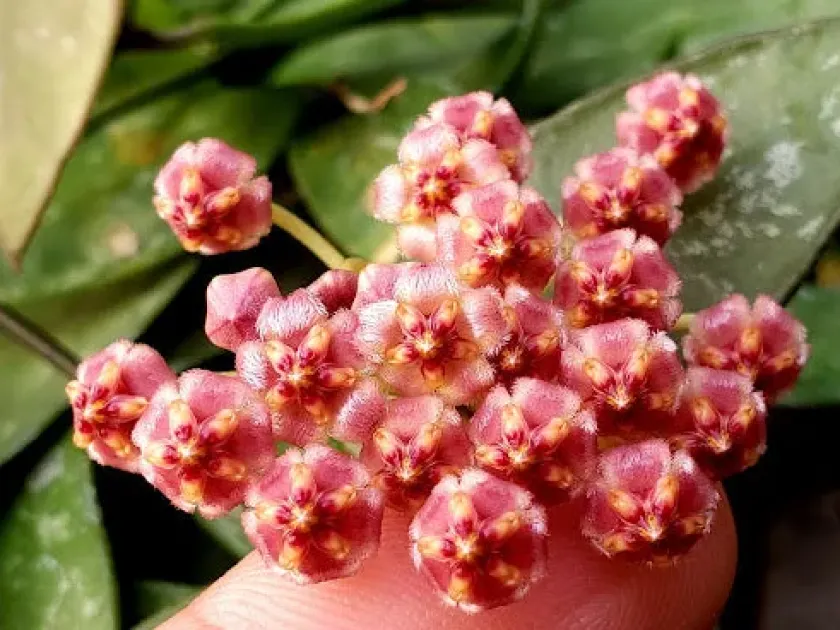
Hoya memoria is a captivating species belonging to the Apocynaceae family. Native to the Philippines, this epiphytic vine is highly valued in horticulture for its decorative foliage and its ability to adapt to indoor environments while retaining its tropical characteristics.
Botanically, it is characterized by long, slender, lanceolate leaves that often display a subtle silver speckling. This evergreen climber thrives by utilizing its twining stems to ascend, making it an excellent candidate for hanging baskets or trellis training in greenhouses.
The plant requires bright, indirect light to thrive and bloom. Placing the Hoya in a location where it receives morning or late afternoon light is ideal, as direct midday sun can stress the foliage and lead to unwanted scorching or loss of color saturation.
A well-draining substrate is mandatory for this epiphyte to prevent root rot. An ideal potting mix should consist of chunky bark, perlite, and high-quality peat moss, which ensures that oxygen can reach the root zone while retaining enough moisture for consistent hydration.
Temperature management is crucial; Hoya memoria prefers stable conditions between 20°C and 25°C. During the dormant winter season, a slight cooling period is beneficial, but temperatures should ideally never drop below 16°C to avoid shock and growth stagnation.
Main diseases and pests
Mealybugs are a common pest problem for Hoya memoria. These insects tend to hide in the axils of the leaves, feeding on the plant sap and secreting a honeydew that can lead to secondary fungal infections like sooty mold if not treated promptly.
Spider mites represent another significant threat, particularly in environments with low humidity. They thrive on the underside of leaves, causing a stippled appearance and fine webbing that compromises the aesthetic and physiological integrity of the vine.
Root rot is the most serious disease risk, almost always resulting from poor drainage or overwatering. When the roots remain in waterlogged conditions, they lose the ability to respire, eventually leading to rapid tissue death and plant collapse.
Botrytis or gray mold can occur if the foliage is kept wet in a cold and stagnant environment. Proper airflow is the best defense against this fungal issue, combined with avoiding water accumulation on the leaves during cooler evenings.
Integrated pest management strategies, such as physical removal of pests followed by the application of horticultural oils or systemic insecticides, remain the gold standard for maintaining the health and vigor of this tropical specimen.