
Hoya macgillivrayi
Hoya macgillivrayi
Description
Growing requirements
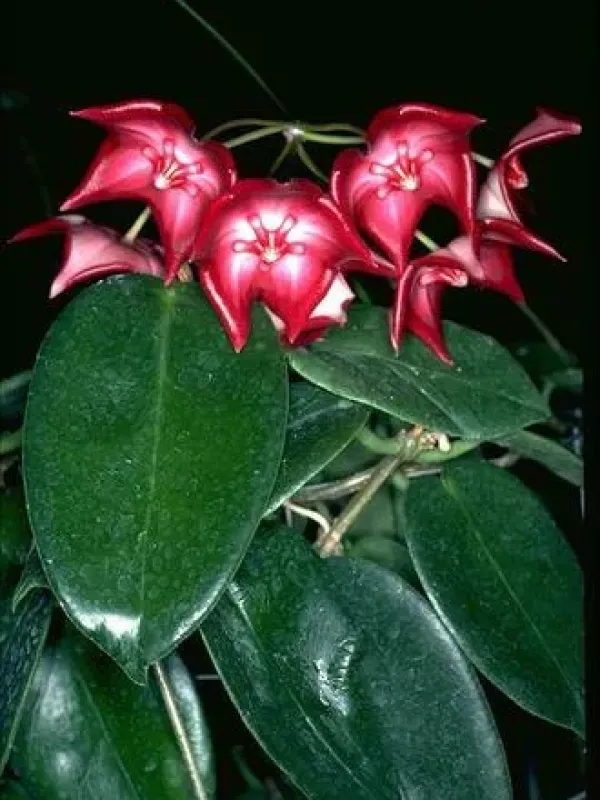
Hoya macgillivrayi is a stunning evergreen vine belonging to the Apocynaceae family. Originating from the tropical rainforests of Queensland, Australia, this species typically grows as an epiphyte, showcasing a vigorous climbing habit that makes it a prized ornamental plant.
This crop requires bright, indirect light to thrive and produce its signature large, fragrant flowers. Exposure to intense, direct afternoon sun should be strictly avoided as it causes leaf scorch, while poor light conditions will invariably lead to weak stems and a lack of inflorescences.
Temperature management is crucial, with an ideal range of 20°C to 28°C throughout the growing season. The plant is sensitive to cold drafts and sudden temperature fluctuations, which can trigger stress responses and cause premature dropping of flower buds or leaves.
The potting medium must be highly porous and well-draining to mimic the plant's natural epiphytic environment. A blend containing orchid bark, perlite, coconut coir, and a small amount of charcoal is highly recommended to maintain oxygen flow to the root system.
Watering requirements follow a cyclical pattern: the substrate should be allowed to dry out significantly between waterings. Maintaining high ambient humidity through regular misting or using a humidifier is beneficial for healthy foliage development, especially during the active growth phase.
Main diseases and pests
The most common pests affecting this plant include mealybugs and spider mites, which thrive in dry indoor conditions. Regular inspection of leaf undersides and stems is necessary for early detection, as these pests can rapidly sap the plant's energy and stunt its growth.
Root rot remains the primary pathological threat, typically caused by improper drainage or excessive watering. If the roots remain saturated for prolonged periods, they lose the ability to absorb nutrients, leading to yellowing of leaves and eventual collapse of the entire vine.