
Hoya longifolia
Hoya longifolia
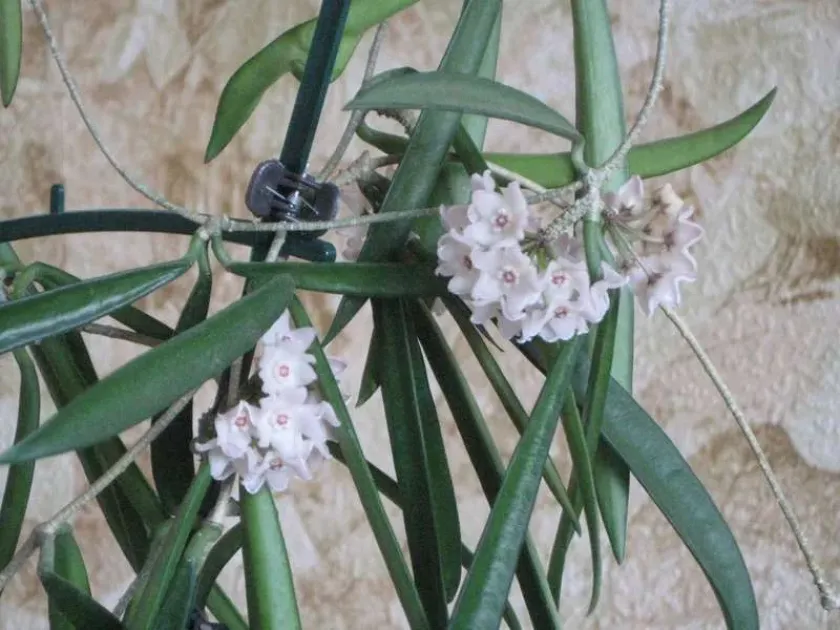
Description
Growing requirements
Hoya longifolia is a perennial evergreen plant species belonging to the Apocynaceae family. It is an epiphytic plant native to the tropical regions of Southeast Asia, where it thrives in humid forest environments and mountain slopes.
The plant is distinguished by its narrow, elongated, and fleshy leaves, which serve as water storage organs. This adaptation allows the species to maintain physiological balance in environments with fluctuating precipitation levels.
The cultivation of this plant requires high humidity levels, ideally ranging from 60% to 80%. Temperature control is also vital, as the plant prefers a stable environment between +20°C and +25°C to promote healthy vegetative growth.
Soil requirements for Hoya longifolia center on extreme aeration and drainage. A standard substrate mixture includes pine bark, perlite, charcoal, and coconut husks, which prevents root suffocation and promotes nutrient absorption.
Lighting should be bright but indirect to prevent leaf scorching. While the plant can tolerate lower light levels, sufficient exposure is necessary to stimulate flowering and maintain the compact, dark green appearance of the foliage.
Main diseases and pests
Mealybugs and scale insects represent the most common biological threats to Hoya longifolia. These sap-sucking pests often congregate in leaf axils, depleting the plant's resources and creating sticky honeydew residue.
Root rot, often caused by overwatering or compacted soil, remains the primary cause of plant failure. Pathogens thrive in damp, stagnant environments, necessitating strict adherence to a "dry-out" irrigation protocol.
Effective pest management involves the use of systemic insecticides or botanical oils applied during the early stages of an infestation. Frequent inspection of the underside of the leaves is crucial for early detection.
Fungal issues such as leaf spot can be managed by improving airflow around the plant canopy. Removing infected foliage and reducing moisture on the leaf surface significantly hinders pathogen proliferation.
Maintaining a clean growing environment is a fundamental agronomic practice. By preventing the accumulation of dust and organic debris on the leaves, the plant maintains better gas exchange and overall resistance to stressors.