
Hoya loheri
Hoya loheri
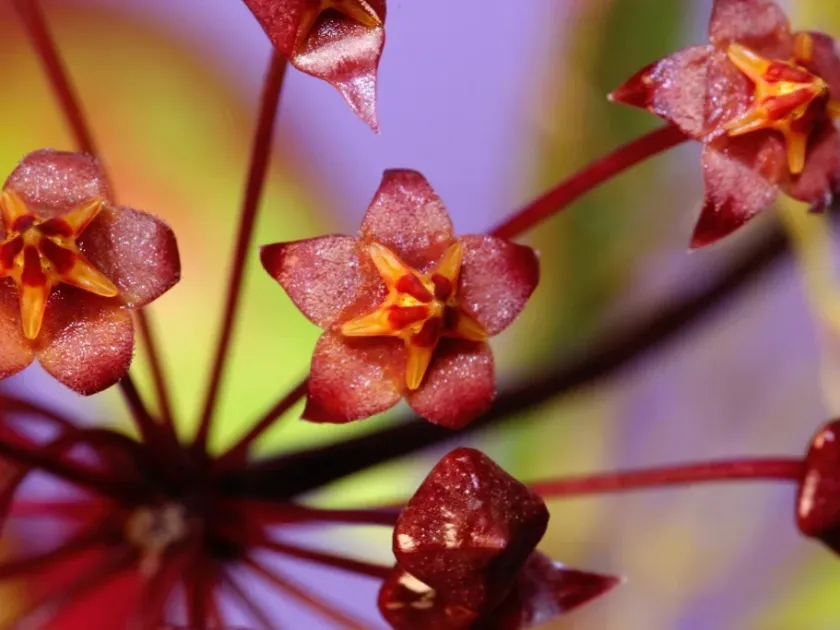
Description
Growing requirements
Hoya loheri is a perennial tropical vine belonging to the Apocynaceae family. This species originates from the Philippines, where it naturally thrives as an epiphyte, anchoring itself to tree trunks within the lush tropical canopy environment.
Botanically, this plant features slender, climbing stems and elongated, textured leaves that exhibit a deep green coloration. Its growth habit makes it an excellent choice for hanging baskets, where its elegant foliage can cascade naturally.
To cultivate Hoya loheri successfully, it is essential to provide bright, indirect sunlight. Exposure to direct intense sun can damage the foliage, while insufficient light may hinder growth and prevent the plant from developing its characteristic robust leaf structure.
The ideal soil medium should be highly porous and well-draining, mimicking the natural epiphyte substrate. A mix of orchid bark, perlite, coco coir, and horticultural charcoal provides the necessary aeration and moisture-retention balance for healthy root development.
Cultural maintenance requires a watering schedule based on soil moisture levels, allowing the substrate to dry out slightly between waterings. Maintaining high ambient humidity and moderate temperatures between 20°C and 25°C is crucial for optimal development.
Main diseases and pests
The primary pests affecting Hoya loheri include mealybugs and spider mites, which often thrive in environments with low air circulation and low humidity. Frequent inspection of leaf undersides and vine joints is highly recommended to prevent infestation.
Fungal issues, such as root rot, represent the most significant threat to plant health, typically caused by overwatering or poor drainage. Maintaining a sterile growing environment and ensuring the pot has adequate drainage holes are fundamental preventative measures.