
Hoya latifolia
Hoya latifolia
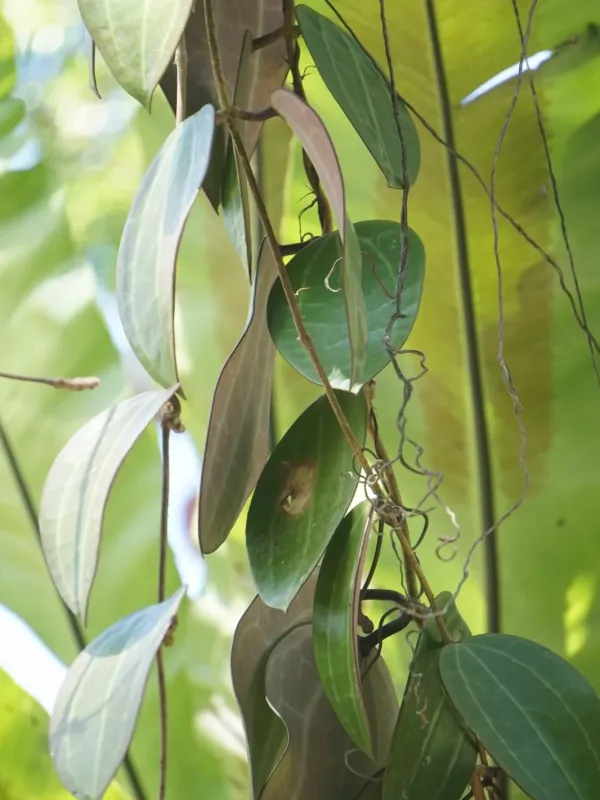
Description
Growing requirements
Hoya latifolia is an impressive evergreen climbing plant belonging to the Apocynaceae family. Native to the tropical rainforests of Southeast Asia, this species is known for its robust, broad leaves that possess a unique succulent-like texture.
As an epiphyte in its natural habitat, the plant thrives by clinging to trees in humid environments. It is characterized by thick, leathery foliage and, under optimal conditions, produces clusters of fragrant, waxy flowers that are typical for the Hoya genus.
To cultivate Hoya latifolia successfully, a tropical microclimate must be simulated. This includes maintaining temperatures between 22°C and 28°C and ensuring high ambient humidity. The plant is not frost-tolerant and must be protected from cold drafts.
The choice of growing medium is critical. It should be a well-draining, loose mixture primarily composed of orchid bark, perlite, coconut husk, and charcoal. This composition prevents root suffocation and promotes healthy oxygen exchange.
Light intensity should be bright and indirect. While the plant can tolerate some morning sun, direct afternoon light is often too intense and can scorch the foliage, leading to yellowing or brown spots on the leaves.
Main diseases and pests
The most common pests affecting Hoya latifolia are mealybugs and spider mites. These pests thrive in dry environments and tend to congregate in the axils of leaves or along the stem, often going unnoticed until a significant infestation occurs.
Root rot is the most serious disease risk, almost always caused by waterlogged soil and inadequate drainage. Once the root system is damaged, the plant exhibits symptoms such as wilted foliage and a darkening of the lower stem.
Effective management involves consistent monitoring and the use of insecticidal soaps or systemic neem oil treatments when pests are detected. It is essential to treat the plant thoroughly to reach all hidden areas of the foliage.
Prevention focuses on maintaining good air circulation and avoiding overhead watering, which can trap moisture in the leaf axils and encourage fungal growth. Regular cleaning of the leaves helps improve photosynthesis and pest visibility.
If fungal infections appear, the affected parts should be removed promptly using sterilized cutting tools. Keeping the plant in a pot proportional to its root size helps maintain soil moisture balance and prevents long-term health issues.