
Hoya lanceolata
Hoya lanceolata
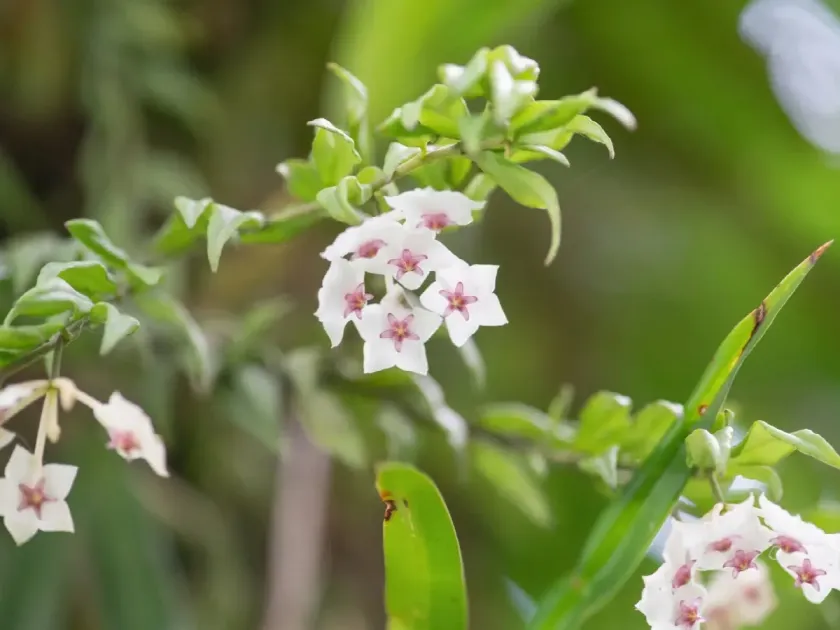
Description
Growing requirements
Hoya lanceolata is a perennial evergreen vine belonging to the Apocynaceae family. Native to the Himalayan regions, this species typically grows as an epiphyte, using its aerial roots to anchor itself to mossy tree branches in humid mountainous forests.
The plant thrives in bright, indirect light conditions. While it requires substantial light to encourage flowering, direct noon sun must be avoided as it can scorch the foliage and lead to significant dehydration of the vine.
Success in cultivation depends on providing an extremely well-draining, airy substrate. A standard mix for this species usually includes orchid bark, perlite, and charcoal, which ensures that oxygen can reach the roots and prevents water stagnation.
Temperature requirements are consistent with tropical highlands; the plant prefers a range between 18 and 24 degrees Celsius. It is vital to avoid drastic temperature fluctuations or cold drafts, which may cause the plant to drop its leaves or cease growth entirely.
In agricultural and horticultural practices, Hoya lanceolata is grown as a high-value ornamental plant. It is widely utilized in greenhouse production and interior plantscaping due to its attractive, lance-shaped leaves and fragrant, umbellate flowers.
Main diseases and pests
The primary pests affecting this species are mealybugs and spider mites, which tend to infest the leaf axils and the undersides of the leaves. Regular inspection and the use of insecticidal soap or neem oil are recommended as the standard management strategies.
Fungal pathogens such as root rot represent the main threat when irrigation exceeds the plant's metabolic needs. Proper crop management involves careful monitoring of soil moisture content and ensuring that the pots have sufficient drainage holes to prevent anaerobic conditions.