
Hoya kuhlii
Hoya kuhlii
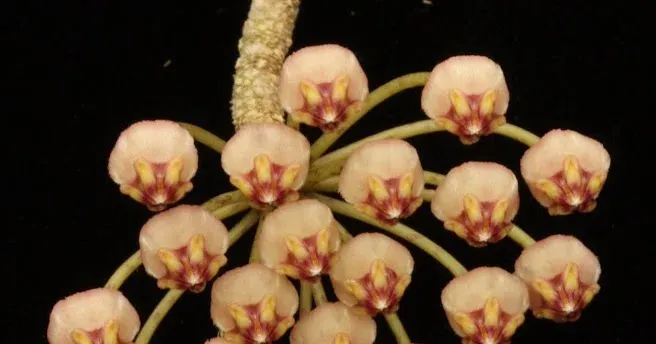
Description
Growing requirements
Hoya kuhlii is a tropical climbing plant belonging to the Apocynaceae family. Native to the humid rainforests of Southeast Asia, this species thrives as an epiphyte, using its aerial roots to anchor itself onto tree trunks and branches within its natural habitat.
The plant is characterized by its semi-succulent, evergreen leaves and long, trailing vines that require sturdy support to grow effectively. Its botanical structure is adapted to conserve moisture, making it resilient to brief periods of dryness in its native environment.
For optimal growth, Hoya kuhlii requires bright, filtered sunlight. Exposure to direct intense sun should be avoided as it can cause leaf scorch, while too much shade will inhibit the flowering process and lead to sparse, elongated growth.
The choice of potting medium is critical for this species. A well-draining, airy mix—typically consisting of orchid bark, perlite, and high-quality peat moss—is essential to prevent root asphyxiation and provide adequate gas exchange for the roots.
Temperature management is key to maintaining the plant's health. It thrives in ambient temperatures between 20°C and 25°C. Exposure to sudden drops below 15°C should be strictly avoided to prevent physiological stress and damage to the foliage.
Main diseases and pests
Mealybugs and spider mites are the most common pests affecting Hoya kuhlii. These pests tend to hide in leaf axils or on the underside of leaves, and regular monitoring combined with neem oil treatments can keep populations under control.
Root rot caused by overwatering remains the most significant threat to the plant's longevity. It is imperative to ensure that the potting medium is allowed to dry out sufficiently between waterings to maintain a healthy root system.
Low humidity levels in indoor environments can sometimes cause the tips of the leaves to brown. Regular misting or the use of humidity trays can create the microclimate required to keep the foliage lush and vibrant throughout the year.
Viral or fungal infections may occur if sanitation practices are poor. Always use sterilized pruning tools when taking cuttings or removing dead growth to prevent the spread of pathogens between plants in your collection.
Lastly, nutritional imbalances can weaken the plant, making it more susceptible to opportunistic diseases. Using a balanced, diluted fertilizer during the active growing season will support strong stems and promote the development of its unique, fragrant flower clusters.