
Hoya krohniana
Hoya krohniana
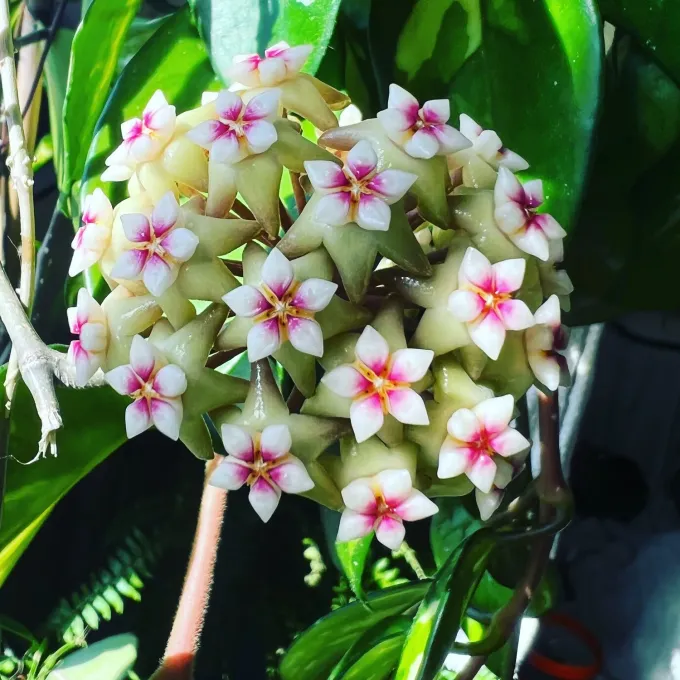
Description
Growing requirements
Hoya krohniana is a charming epiphytic vine belonging to the Apocynaceae family. Native to the tropical regions of the Philippines, it is a popular ornamental crop known for its small, heart-shaped leaves and highly fragrant flowers.
This species requires bright, indirect sunlight to thrive. While it can tolerate some morning sun, intense midday light often causes leaf scorching and discoloration, reducing the plant's aesthetic value and overall vigor.
The substrate must be exceptionally well-draining, mimicking the natural environment of tree crevices. A standard mix includes orchid bark, perlite, and high-quality peat, ensuring excellent airflow to the root zone at all times.
Watering management is crucial; the plant prefers a cycle of moisture and near-dryness. Overwatering is the most common error in cultivation, as stagnant water quickly leads to anaerobic conditions around the roots.
Temperature requirements are consistent with tropical climates, favoring ranges between 20°C and 25°C. The plant should be protected from rapid temperature fluctuations, which can trigger stress and leaf drop.
Main diseases and pests
Mealybugs are the primary pest concern for Hoya krohniana. They tend to cluster in the leaf axils and along the stems, feeding on plant sap and weakening the overall health of the specimen.
Spider mites are another significant threat, particularly in environments with low humidity. These pests damage the foliage, leading to characteristic yellow stippling and the formation of fine webbing on the plant.
Root rot is the most devastating disease, typically resulting from improper substrate choice or excessive irrigation. Once the root system is compromised, recovery becomes extremely difficult.
Integrated pest management is recommended, utilizing horticultural oils for minor infestations and systemic insecticides for severe outbreaks to ensure the protection of the plant structure.
Maintaining a clean growing environment is vital. Removing dead organic matter from the top of the pot and ensuring good air circulation significantly reduces the probability of pathogenic fungi development.