
Hoya kerrii
Hoya kerrii
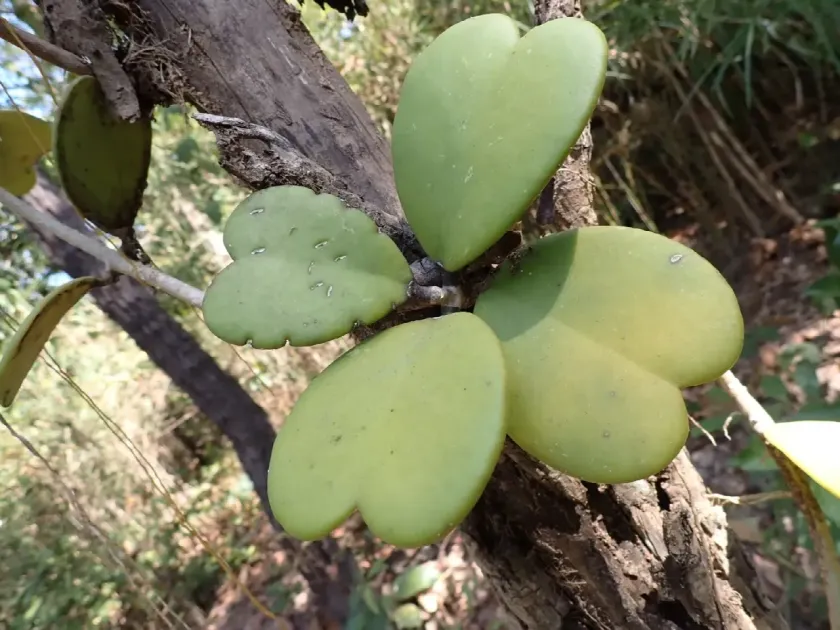
Description
Growing requirements
Hoya kerrii is a perennial epiphytic plant belonging to the Apocynaceae family. Native to the tropical regions of Southeast Asia, specifically Thailand and Laos, this plant typically grows as a climbing vine, often found clinging to the bark of trees in humid forest environments.
In cultivation, Hoya kerrii requires bright, indirect light to thrive and maintain its distinctive heart-shaped foliage. While it can tolerate some morning sun, high-intensity midday sunlight should be filtered to prevent leaf scorching, which can cause permanent cosmetic damage to the succulent leaves.
The ideal temperature range for this species is between 20°C and 25°C. As a tropical plant, it does not tolerate frost or cold drafts. Prolonged exposure to temperatures below 15°C can cause significant stress, leading to physiological issues and slowed metabolic processes.
The plant requires a specialized, well-draining soil mix to mimic its natural epiphytic habitat. A typical professional substrate includes a blend of pine bark, perlite, sphagnum moss, and horticultural charcoal to ensure adequate aeration and prevents root asphyxiation caused by water saturation.
Irrigation management is critical for Hoya kerrii. The soil must be allowed to dry out significantly between watering sessions. As a succulent, it stores water in its thick leaves, making it prone to root rot if kept in continuously damp conditions, especially in lower light environments.
Main diseases and pests
The most common pests affecting Hoya kerrii are mealybugs and spider mites. Mealybugs often hide in the crevices where leaves attach to the stems, while spider mites favor the undersides of leaves, especially in low-humidity conditions, causing mottling and tissue damage.
Root rot remains the most serious threat, typically resulting from over-irrigation or poor drainage. Infected plants often show signs of wilting despite moist soil, eventually leading to the softening and decay of the root system and the base of the stem.
To prevent pathogen development, it is essential to maintain good air circulation around the plants. In cases of localized fungal infections, removing affected parts and treating the remaining plant with appropriate systemic fungicides is recommended to halt the progression of the disease.
Regular monitoring for pests should be part of the standard agronomic routine. Using a damp cloth to wipe the leaves not only keeps the plant clean but also helps to identify and mechanically remove early-stage pest infestations before they escalate.
For pest control, horticultural oils or insecticidal soaps are highly effective for managing light infestations. These treatments should be applied during cooler parts of the day to avoid leaf stress and ensure better adherence to the plant surface.