
Hoya kentiana
Hoya kentiana
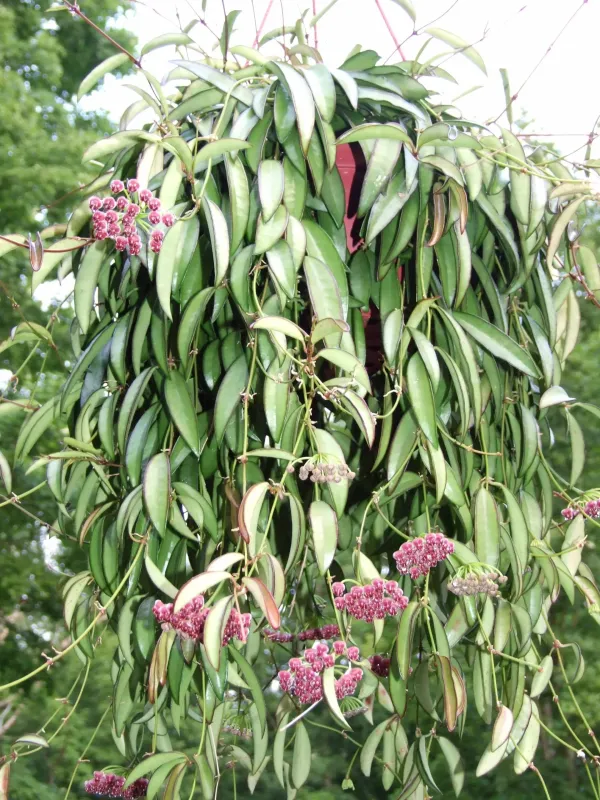
Description
Growing requirements
Hoya kentiana is a climbing epiphyte that belongs to the Apocynaceae family. Native to the tropical forests of the Philippines, this species has evolved to thrive in high-humidity environments, usually clinging to the bark of trees in filtered light conditions.
Environmental requirements for this crop involve maintaining steady ambient temperatures between 18 and 25 degrees Celsius. It is crucial to prevent the plant from exposure to harsh, direct sunlight, which can easily scorch its elongated, dark green, succulent-like foliage.
Regarding soil management, Hoya kentiana requires a well-draining, airy substrate to prevent root asphyxiation. Growers typically utilize a mix consisting of fir bark, perlite, chopped moss, and charcoal to maintain the balance between moisture retention and aeration.
Agronomic maintenance includes a strategic irrigation schedule. The potting medium should be allowed to dry out significantly between watering sessions. During the active growth stage, moderate fertilizing with balanced liquid nutrients supports vine development and potential flowering.
In terms of хозяйське use, this plant is extensively cultivated for the ornamental interior plant market. Its ability to thrive in pots and hanging baskets makes it a preferred choice for vertical indoor gardening and botanical collection displays.
Main diseases and pests
The most common pests affecting Hoya kentiana are mealybugs, which often nest in the leaf axils, and spider mites that appear under low-humidity conditions. Integrated pest management using insecticidal soaps or systemic treatments is effective for control.
Root rot remains the most significant physiological threat to this crop. It is almost exclusively caused by overwatering or poor drainage systems. Proactive management involves using porous pots and ensuring the potting mix remains loose and aerated at all times.