
Hoya imperialis
Hoya imperialis
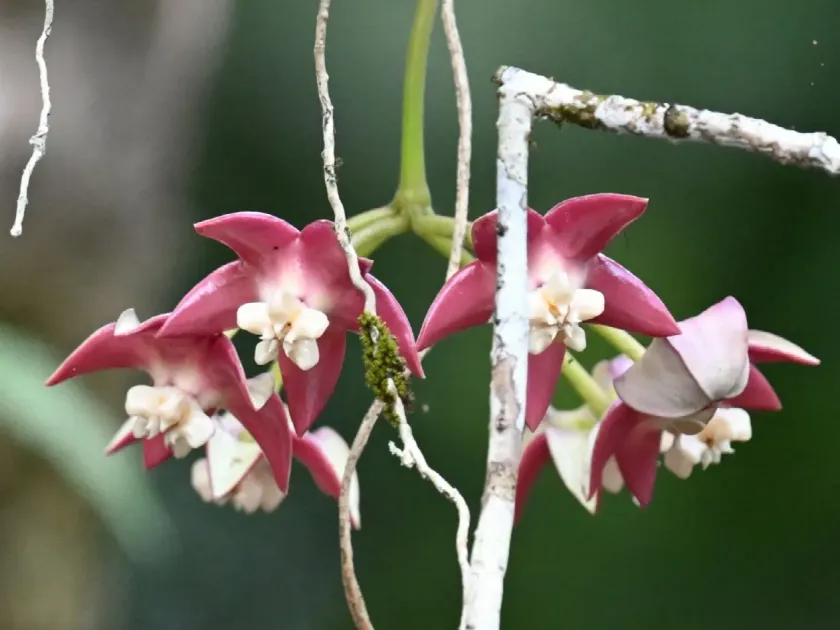
Description
Growing requirements
Hoya imperialis is a robust epiphytic vine belonging to the family Apocynaceae. Originating from the tropical rainforests of the Philippines and Borneo, it is widely recognized for its impressive, large, star-shaped waxy flowers that emit a pleasant and intense fragrance.
Botanically, this species is defined by its thick, leathery leaves and twining stems. In its native habitat, it functions as a high-climbing vine, utilizing trees as structural support to reach favorable levels of filtered light within the forest canopy.
Regarding climatic requirements, the plant thrives in consistently warm and humid environments, typically between 20°C and 28°C. It is highly susceptible to chilling injury, so maintaining stable temperatures is critical for the long-term health and vitality of the culture.
The soil profile for Hoya imperialis must mimic an epiphytic environment, requiring a coarse, well-draining substrate. Recommended media include pine bark, perlite, and charcoal mixes, which ensure that the root system has sufficient access to oxygen while avoiding waterlogging.
Agrotechnical care includes providing bright, indirect light, as direct sunlight can scorch the foliage. Regular feeding with a low-nitrogen, high-phosphorus fertilizer during the peak growing season supports the development of its large inflorescences and structural integrity.
Main diseases and pests
The primary pests affecting Hoya imperialis include mealybugs, spider mites, and scale insects. Regular inspection of the stem nodes and the undersides of the leaves is necessary, as these insects can quickly colonize the plant if left unchecked.
Pathogenic threats are usually associated with overwatering, leading to fungal pathogens such as Phytophthora or Pythium, causing root rot. Ensuring proper drainage and allowing the top layer of the substrate to dry out between waterings is the best preventive measure against these conditions.