
Hoya imbricata
Hoya imbricata
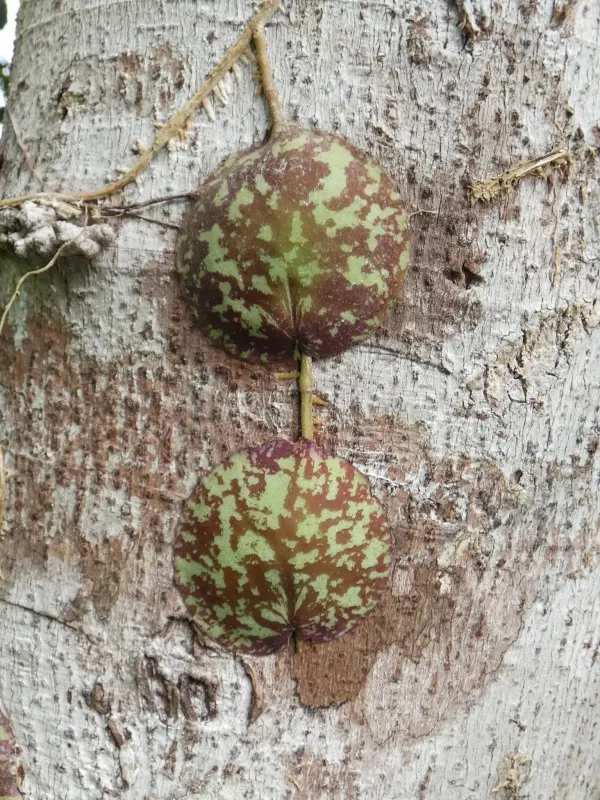
Description
Growing requirements
Hoya imbricata is a fascinating species of the Apocynaceae family, native to the tropical rainforests of the Philippines and surrounding regions. It is highly valued among collectors for its distinct, overlapping foliage.
Botanically, this plant acts as an epiphyte, using its leaves to create a tight "shingle" structure against tree trunks. This specialized leaf morphology allows the plant to trap moisture and organic detritus, creating a micro-environment for its roots.
Regarding cultivation, the plant requires a highly porous medium that mimics its natural habitat. A mix consisting primarily of orchid bark, perlite, and a small amount of coco coir is recommended to ensure excellent root oxygenation.
Environmental conditions must be kept tropical, with humidity levels ideally remaining between 70% and 80%. If the air is too dry, the plant will struggle to develop, and the edges of the leaves may become brittle or discolored.
Light intensity plays a crucial role in the development of the "shingle" effect. While it requires bright light, it must be filtered to prevent leaf scorching, which can permanently damage the plant's aesthetic value and health.
Main diseases and pests
The most common biological threats to Hoya imbricata are sap-sucking insects, specifically mealybugs. These pests frequently hide between the overlapping leaves, making them difficult to detect and treat during early stages.
Root rot is the primary physiological risk, usually stemming from overwatering or a lack of drainage. When the roots remain wet for extended periods in dense soil, fungal pathogens quickly compromise the vascular system.
Management of pest outbreaks involves systemic treatment combined with manual removal using cotton swabs dipped in diluted isopropyl alcohol. This ensures no pests remain hidden under the tight leaf structures.
Maintaining proper hygiene by removing dead leaf litter from around the base of the plant is essential. This prevents the buildup of decaying matter that could attract fungal gnats or promote bacterial growth.
If the plant shows signs of distress, such as wilting despite moist soil, immediate repotting into fresh, airy substrate is recommended to inspect the root health and remove any infected tissues.