
Hoya heuschkeliana
Hoya heuschkeliana
Description
Growing requirements
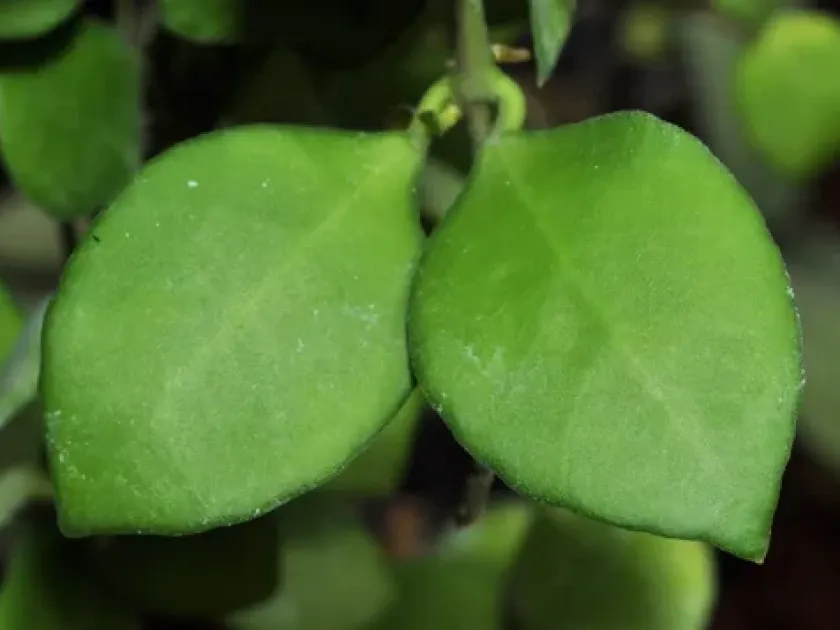
Hoya heuschkeliana is an epiphytic vine belonging to the Apocynaceae family. Native to the tropical forests of the Philippines, it thrives in warm, humid environments where it uses its aerial roots to anchor onto host trees or rocky substrates.
The cultivation of this species requires a well-aerated, loose potting medium. A mixture of orchid bark, perlite, and high-quality peat is recommended to provide excellent drainage and prevent the roots from suffocating in stagnant moisture.
Temperature management is vital, with a preferred range between 20°C and 25°C. As a tropical plant, it does not tolerate frost or cold drafts, which can cause significant stress, resulting in the abscission of leaves and developing flower buds.
Bright, filtered light is essential for robust growth and blooming. While the plant can tolerate some morning sun, prolonged exposure to intense, direct afternoon sunlight will cause leaf scorch and disrupt the plant's metabolic efficiency.
Irrigation practices must be calibrated to the growth cycle. During active growth, water when the top two centimeters of the substrate are dry. During dormancy, reduce watering frequency significantly to prevent anaerobic conditions in the root zone.
Main diseases and pests
Hoya heuschkeliana is susceptible to common houseplant pests, including mealybugs, aphids, and spider mites. These pests typically congregate in leaf axils or on the undersides of leaves, making them difficult to detect during early infestations.
Root rot is the most serious disease affecting this species, usually caused by overwatering or soil compaction. Symptoms include yellowing leaves, stem softening at the soil line, and an eventual decline of the entire plant structure.
Fungal infections, such as powdery mildew or leaf spots, can proliferate if the plant is kept in an environment with high humidity and poor air circulation. Proper ventilation is key to mitigating the risk of pathogen outbreaks.
Pest management involves the use of horticultural oils or systemic insecticides, depending on the severity of the infestation. Manual cleaning of the foliage with a damp cloth can also help physically remove pests and dust buildup.
Good agricultural hygiene, such as sterilizing pruning shears and isolating new plants, is essential. Early detection through regular visual inspections allows for prompt intervention, ensuring the long-term health of the Hoya specimen.