
Hoya gracilis
Hoya gracilis
Description
Growing requirements
Hoya gracilis is a species of succulent vine belonging to the Apocynaceae family. Native to the tropical forests of Southeast Asia, it is primarily an epiphytic plant that climbs and grows along tree trunks in its natural habitat.
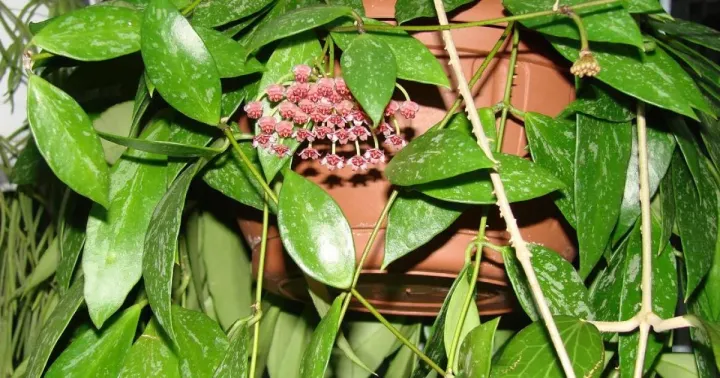
The botanical profile of the plant features thin, flexible stems adorned with lanceolate leaves, which are typically marked with distinctive silvery-grey splashing. The inflorescences consist of clustered star-shaped flowers that display a waxy appearance and a pleasant scent.
Successful cultivation requires bright, indirect sunlight to maintain the vibrancy of the foliage. The plant thrives in temperatures ranging from 20 to 25 degrees Celsius and requires high relative humidity to mimic the environmental conditions of its tropical origin.
A well-draining soil medium is critical for this species, as it is highly susceptible to root damage from excessive moisture. Growers often utilize a mix consisting of fir bark, perlite, coco coir, and horticultural charcoal to ensure adequate aeration and root health.
Hoya gracilis is primarily utilized as an ornamental plant for interior landscaping and specialized horticultural collections. Its ability to adapt to indoor environments makes it a popular commercial product within the global nursery trade for indoor flora enthusiasts.
Main diseases and pests
The primary pests affecting Hoya gracilis include mealybugs, which often hide in leaf axils, and spider mites, which can proliferate in dry conditions. Regular inspections and the application of insecticidal soaps or systemic pesticides are essential for control.
Root rot remains the most common threat to this culture, typically caused by over-watering or the use of heavy, water-retaining potting soil. Ensuring a proper drying cycle for the substrate is the most effective preventive measure against fungal pathogens and root decay.