
Hoya globulosa
Hoya globulosa
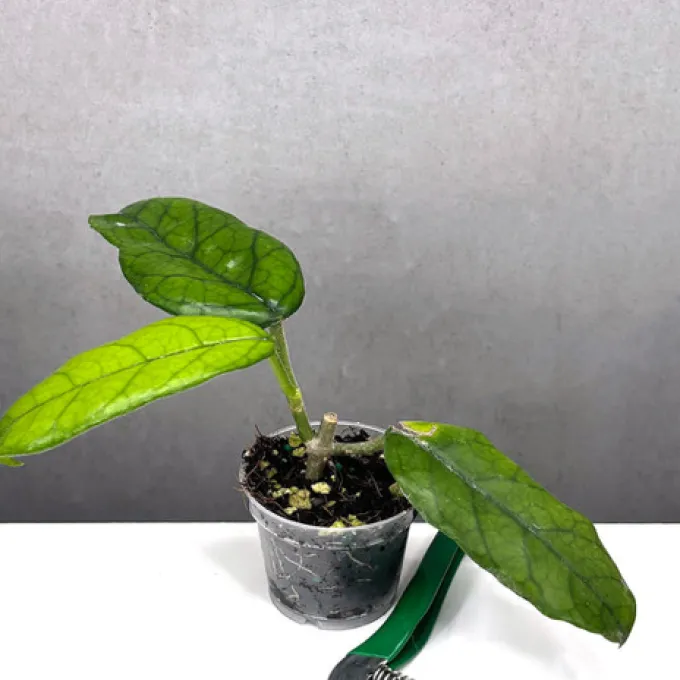
Description
Growing requirements
Hoya globulosa is an evergreen tropical vine belonging to the Apocynaceae family. Native to the Himalayan region and parts of India, this plant typically thrives as an epiphyte, growing on trees in humid and shaded environments.
The species requires bright, indirect light to prosper, as direct sunlight can easily scorch its large, fleshy leaves. Placing the plant near east or west-facing windows is recommended to balance light intensity throughout the day.
Maintaining a temperature range between +18 and +25 degrees Celsius is essential for healthy development. It is crucial to shield the plant from sudden temperature drops and cold drafts, which may cause significant physiological stress.
For optimal growth, the potting medium must be loose, airy, and well-draining. An ideal substrate consists of a mixture of coconut husk, pine bark, perlite, and a small portion of peat moss to provide aeration for the roots.
Watering should be consistent but moderate during the active growing season. Always ensure that the top 2–3 centimeters of the substrate have dried out before watering again to prevent root suffocation or decay.
Main diseases and pests
The primary pests affecting Hoya globulosa are sap-sucking insects, such as mealybugs and spider mites. Regular monitoring is necessary, and if infestations occur, immediate treatment with appropriate insecticides or miticides is required.
Fungal diseases, specifically various types of root rot, are often linked to improper irrigation practices. Poor air circulation combined with overwatering creates a breeding ground for pathogens that attack the root system.
Preventing diseases involves maintaining a balanced watering schedule and ensuring good airflow around the foliage. Occasional warm water sprays help clean the leaves and reduce the risk of localized pest buildup.
In cases of advanced root decay, repotting is necessary, involving the pruning of damaged sections and the use of sterile, fresh potting mix. This process helps restore the health and vigor of the plant.
Symptoms such as leaf yellowing or premature leaf drop are typically indicators of cultural issues like overwatering or exposure to cold. Early detection allows for corrective action to maintain the plant's aesthetic appeal.