
Hoya fraterna
Hoya fraterna
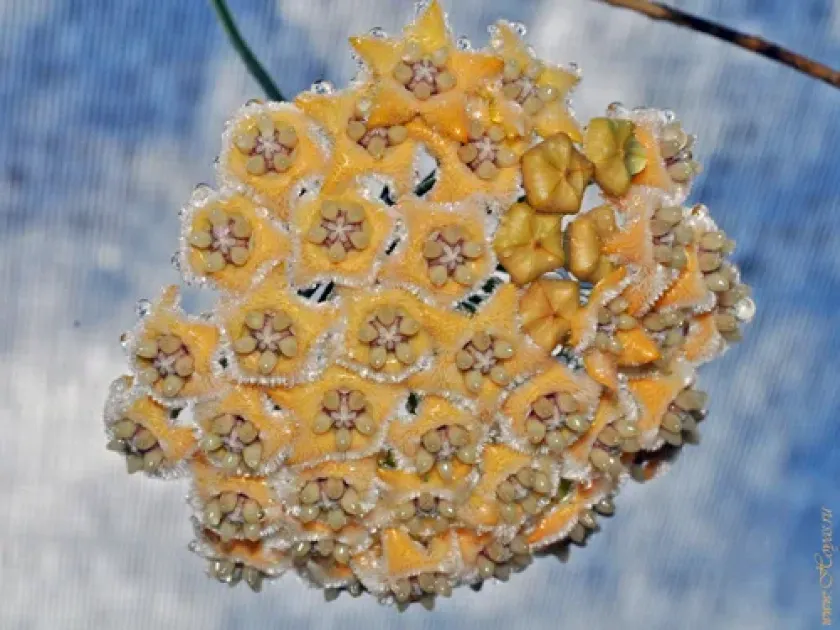
Description
Growing requirements
Hoya fraterna is a perennial epiphytic vine belonging to the Apocynaceae family. Native to the tropical rainforests of Southeast Asia, this plant naturally thrives in high-humidity canopy environments, where it anchors itself to tree branches for support.
The plant is botanically distinguished by its large, succulent-like leaves with prominent venation. These leaves serve as water storage organs, allowing the plant to sustain itself through fluctuations in its tropical habitat, which is a key adaptation for its survival.
Cultivation requirements involve maintaining stable temperatures between 22 and 28 degrees Celsius. The plant is sensitive to cold drafts and rapid temperature drops, which can lead to stress, leaf loss, and stunted development of its aerial shoots.
For optimal growth, the substrate must be highly porous and well-draining. A typical potting mix includes orchid bark, perlite, coconut coir, and charcoal. This combination ensures adequate aeration for the roots, preventing the oxygen deprivation that often occurs in compacted soils.
Hoya fraterna thrives in bright, indirect light. While it is adapted to shaded forest conditions, it requires consistent luminosity to maintain its vigorous growth and lush foliage. Prolonged exposure to intense, direct afternoon sun should be avoided to prevent foliar scorching.
Main diseases and pests
Common pests affecting Hoya fraterna include mealybugs and spider mites. These insects thrive in conditions where air circulation is poor, necessitating regular monitoring and maintaining good ventilation to discourage their colonization on the stems and leaf axils.
Root rot, caused by overwatering or poorly draining soil, remains the most serious threat to the longevity of this crop. Implementing a strict irrigation schedule that allows the growing medium to dry partially between waterings is essential for plant health.