
Hoya engleriana
Hoya engleriana
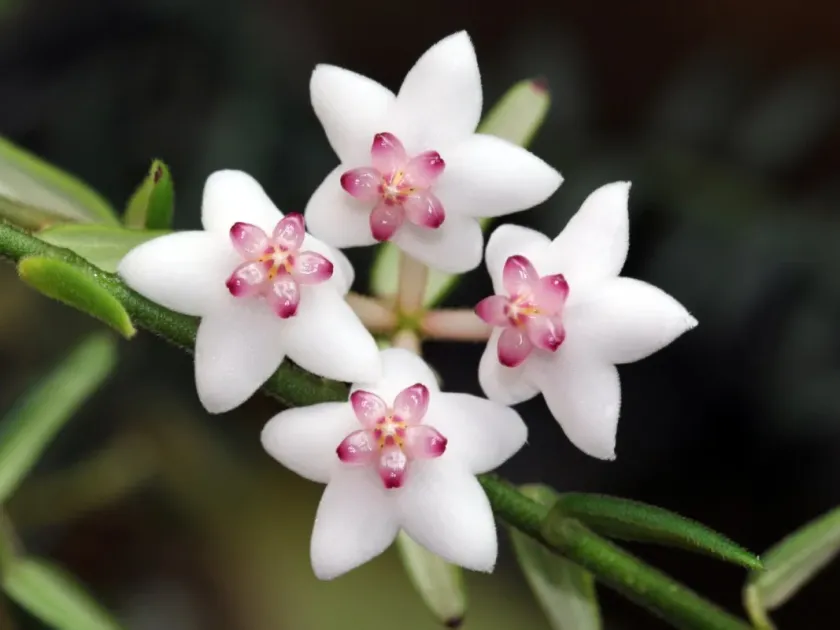
Description
Growing requirements
Hoya engleriana is an attractive evergreen epiphytic vine belonging to the Apocynaceae family. Native to the tropical regions of Southeast Asia, including Thailand and Vietnam, this species is well-adapted to high-humidity forest environments where it grows attached to host trees.
The plant is known for its delicate, slender stems and narrow leaves, which give it a distinct and graceful appearance compared to the broader-leaved varieties of the genus. During the blooming phase, it produces small, star-shaped flowers in clusters that exude a subtle, pleasant fragrance.
Optimal growth requires bright, indirect light, as direct sunlight can easily scorch its sensitive foliage. In an indoor setting, it performs best when placed in a location with filtered light, ensuring that the plant receives consistent energy for healthy vegetative development throughout the year.
The potting medium must prioritize drainage and aeration, as the root system is highly sensitive to waterlogging. A mixture consisting of orchid bark, coconut coir, and perlite is generally recommended to maintain the right balance of moisture and air circulation around the roots.
Temperature management is crucial, with an ideal range between 20°C and 25°C. While the plant can tolerate minor fluctuations, it should be kept away from cold drafts and sudden temperature shifts, which can stress the plant and lead to leaf drop or stunted growth patterns.
Main diseases and pests
Mealybugs are the most common pests affecting this species, often congregating in the leaf axils. Regular inspection and localized treatment with systemic or organic insecticidal soaps are necessary to manage infestations before they spread across the entire vine structure.
Root rot is a significant risk caused by overwatering or using a medium that stays wet for too long. To maintain plant health, it is imperative to allow the substrate to dry out partially between waterings, ensuring that the roots remain oxygenated and free from fungal pathogens.