
Hoya diversifolia
Hoya diversifolia
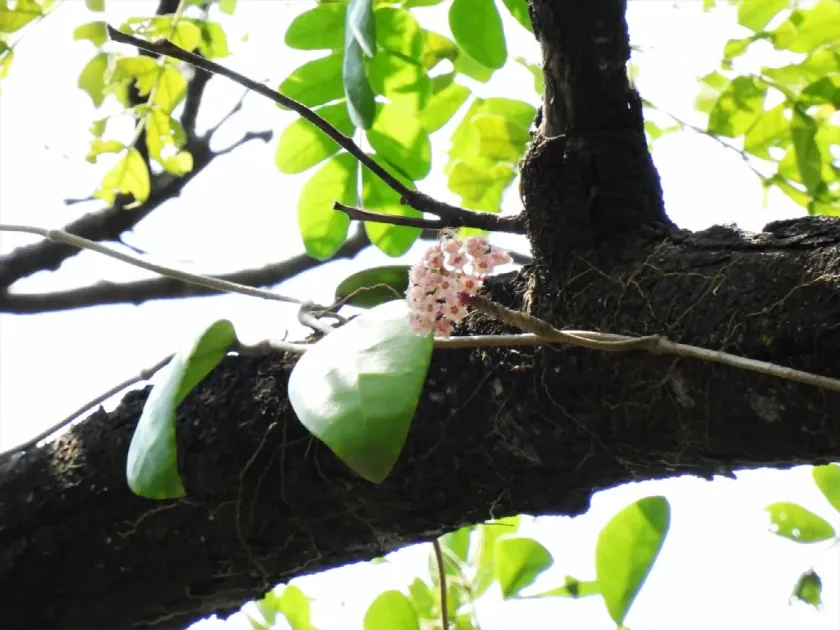
Description
Growing requirements
Hoya diversifolia is an evergreen climbing vine belonging to the Apocynaceae family. Native to the tropical forests of Southeast Asia, specifically regions like Indonesia and Thailand, this species is typically found growing as an epiphyte in high-humidity environments.
The plant is characterized by its thick, opposite leaves which display significant morphological variation, and its clusters of fragrant, cream-colored, star-shaped flowers. It is widely cultivated for its aesthetic appeal and its vigorous climbing habit when provided with structural support.
Successful cultivation requires bright, indirect light, as direct sunlight can easily scorch the foliage. The ideal temperature for consistent growth ranges between +20°C and +26°C, and the plant must be protected from sudden temperature drops and cold air drafts.
The substrate must be light, airy, and acidic, typically composed of orchid bark, perlite, and high-quality peat. Proper drainage is non-negotiable; standing water around the root zone will rapidly cause root rot and lead to the failure of the plant specimen.
Watering should be balanced, allowing the top layer of the potting medium to dry out before additional moisture is provided. During the peak growing season, the application of balanced liquid fertilizers designed for flowering tropical plants supports healthy leaf development.
Main diseases and pests
Pest management is a critical aspect of Hoya maintenance, as these plants are prone to infestations by mealybugs and scale insects. These pests feed on the phloem sap and can significantly damage the plant's health if not treated promptly with horticultural soap or systemic insecticides.
Fungal issues, such as powdery mildew or root rot, are often consequences of improper environmental conditions, specifically poor ventilation combined with excessive humidity. Maintaining proper airflow and adhering to a strict watering regimen are the primary preventative strategies for health.