
Hoya diptera
Hoya diptera
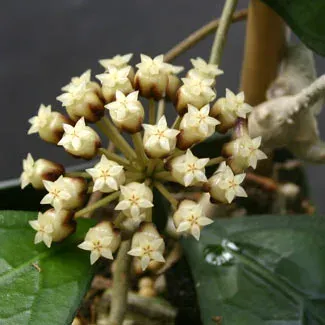
Description
Growing requirements
Hoya diptera is an evergreen epiphytic plant belonging to the Apocynaceae family. In its natural habitat, which includes the Fiji Islands and other regions of Oceania, it develops as a vine climbing up tree trunks.
For successful cultivation in greenhouse or indoor environments, the plant requires bright but indirect light. Direct sunlight can cause burns on the leathery leaves, so east or west-facing placement is preferred.
The temperature should be stable, ranging from 20–25°C during the growing season. High humidity is a critical factor, and it should be maintained within the 60–75% range to ensure active development of the vine.
The soil must be light, airy, and well-draining. An ideal substrate is a mixture of pine bark, coconut fiber, charcoal, and perlite, which ensures effective drainage and prevents water stagnation.
Watering is performed once the top layer of the substrate has dried out. During the winter season, agricultural practices involve reducing watering frequency and maintaining moderate temperatures to provide the dormancy period required for future blooming.
Main diseases and pests
The primary pests affecting this crop due to improper agricultural practices are mealybugs and spider mites. These insects reproduce rapidly in conditions of low humidity and poor ventilation.
Root rot poses a serious threat to the plant, occurring due to excessive watering and the use of overly dense, non-porous growing media.
Scale insects can also cause significant damage by feeding on the sap of leaves and stems, leading to shoot deformation and overall weakened plant immunity.
Disease prevention includes regular inspection of leaf axils, adherence to proper watering schedules, and quarantine protocols for new specimens introduced into the collection.
If pests are detected, the use of systemic insecticides and acaricides is recommended, along with adjustments to environmental conditions to prevent re-infestation.