
Hoya curtisii
Hoya curtisii
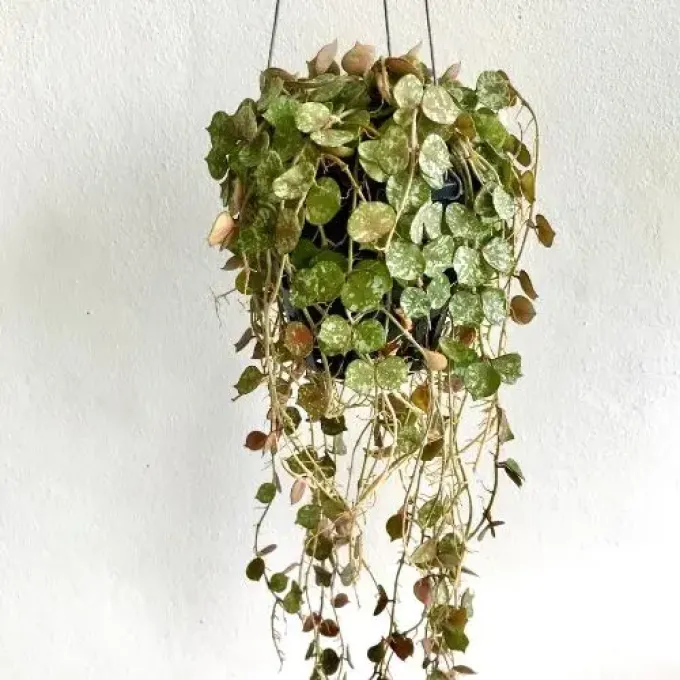
Description
Growing requirements
Hoya curtisii is an attractive epiphytic vine belonging to the Apocynaceae family. Native to the tropical forests of Southeast Asia, this plant is highly prized by collectors for its compact, trailing stems and silver-splashed, heart-shaped leaves.
In terms of light, this species thrives in bright, indirect sunlight. While it can tolerate some shade, too little light will inhibit growth and prevent the plant from blooming. East or west-facing windows are generally ideal locations for cultivation.
Temperature management is critical for the health of Hoya curtisii. It prefers temperatures between 20°C and 25°C throughout the year. Avoid placing the plant in cold drafts or directly in front of heating vents, as this can cause significant stress.
The substrate must be extremely well-draining, similar to that used for orchids. A mixture of orchid bark, perlite, and a small amount of coco coir is recommended to ensure adequate airflow around the roots, preventing suffocation.
Watering should be approached with caution. The potting medium should be allowed to dry out significantly between waterings. During winter dormancy, the frequency of irrigation should be reduced to prevent the risk of waterlogging.
Main diseases and pests
Common pests that infest Hoya curtisii include mealybugs, aphids, and spider mites. These pests tend to hide in the tight spaces where leaves meet the stem, making regular inspections essential for early intervention and effective control.
Fungal issues, particularly root rot, represent the most significant threat to this culture. This is almost exclusively caused by overwatering or poor drainage. Ensuring that the pot has sufficient drainage holes and using an airy medium are the best preventative measures.