
Hoya crassipetiolata
Hoya crassipetiolata
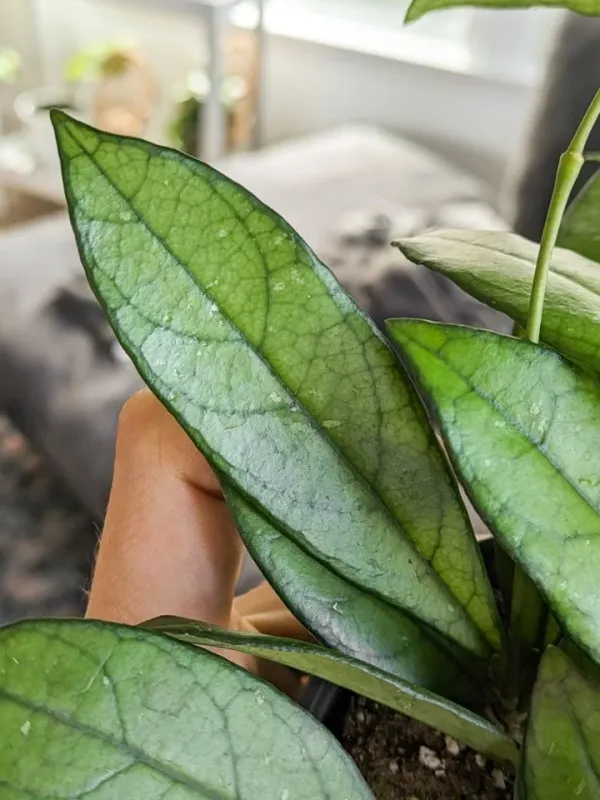
Description
Growing requirements
Hoya crassipetiolata is a tropical climbing vine belonging to the Apocynaceae family. Native to the Philippines, this species thrives in humid, warm environments and is highly valued by collectors for its thick, succulent-like foliage and fragrant inflorescences.
The plant prefers bright, indirect light. Intense direct sun can scorch the leaves, while insufficient light leads to sparse growth and failure to bloom. In indoor settings, placing the plant near a southern or eastern window with sheer curtains is optimal.
Regarding soil requirements, this Hoya demands a highly porous, fast-draining medium. A common substrate recipe includes orchid bark, perlite, and premium peat-based potting soil, which allows for rapid water drainage and prevents the roots from suffocating.
Temperature management is vital; Hoya crassipetiolata prefers consistent warmth between 20°C and 25°C. Avoid exposing the plant to temperatures below 15°C, as this can trigger dormancy or severe cold stress, leading to foliage drop.
Watering should be methodical: allow the top half of the potting mix to dry completely before watering again. During the winter, the growth rate slows, necessitating a reduction in irrigation to maintain healthy root conditions.
Main diseases and pests
Mealybugs are the most prevalent pest for this species. These insects often cluster in leaf axils and along the stems, feeding on plant sap. Regular inspection and localized cleaning with alcohol-soaked swabs are effective early-stage interventions.
Root rot is the most common and devastating disease for this cultivar, usually resulting from over-watering or using a medium that retains too much moisture for too long. Signs include yellowing leaves and a blackened, mushy stem base.
Spider mites represent another significant threat, particularly in low-humidity environments. They cause stippling on the leaves and can lead to rapid defoliation if left untreated by appropriate miticides or increased moisture.
Bacterial leaf spot can occur when water is allowed to sit on the foliage for extended periods in poorly ventilated rooms. Keeping the foliage dry and ensuring good airflow around the plant is essential to prevent these outbreaks.
To ensure long-term health, growers should practice a prophylactic maintenance schedule involving monthly checks for pest activity and ensuring the potting container size is proportional to the root ball to avoid excess soil volume.