
Hoya coronaria
Hoya coronaria
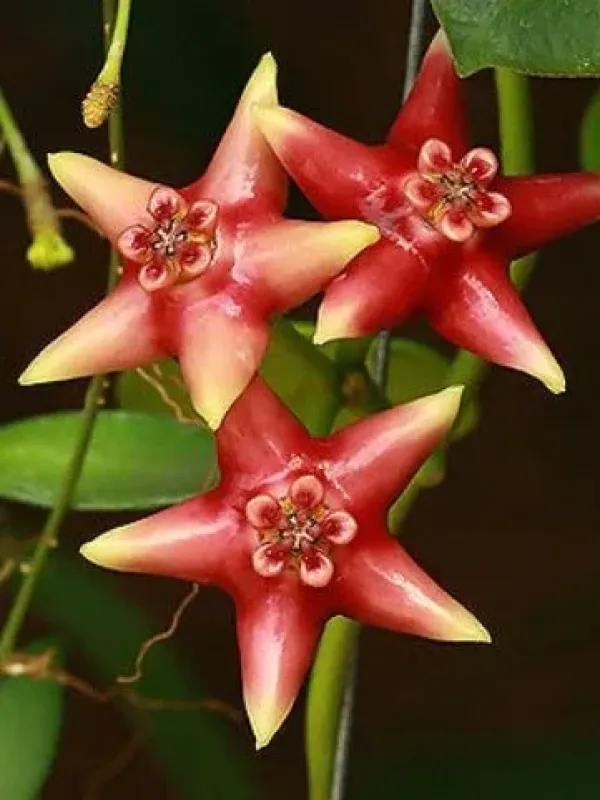
Description
Growing requirements
Hoya coronaria is a species of flowering plant in the Apocynaceae family, native to the tropical forests of Southeast Asia. As an epiphytic vine, it typically grows attached to tree trunks, relying on high humidity and nutrient-rich debris that accumulates in bark crevices for its survival.
Botanically, this species is recognized by its succulent, leathery leaves arranged in pairs along the vine. The flowers are the primary interest for growers, characterized by their large, star-shaped structure and often fuzzy, coronate appearance. These traits distinguish it from other Hoya species and necessitate specific environmental conditions for optimal growth.
The substrate requirement for Hoya coronaria is strictly related to its epiphytic nature. A coarse, airy mix consisting of pine bark, charcoal, and perlite is essential. Such a medium ensures rapid drainage and prevents the root asphyxiation that typically occurs in denser, peat-based potting soils.
Climate control is vital, with a preferred temperature range between 22 and 28 degrees Celsius. Constant warmth is necessary, as sudden drops in temperature can cause stress and inhibit flowering. Humidity levels should be maintained above 60 percent to mimic its native tropical rainforest habitat.
Lighting should be bright but filtered. While Hoya coronaria requires significant light to bloom, it does not tolerate direct, harsh sunlight, which can quickly dehydrate the leaves and cause necrotic spots. Providing diffused light through sheer curtains or greenhouse shading is the recommended practice.
Main diseases and pests
Mealybugs are the most frequent pest encountered in Hoya coronaria cultivation. They prefer the succulent growth nodes and the underside of leaves, where they feed on sap. Their presence can severely weaken the plant and lead to stunted growth.
Spider mites pose a significant threat, especially when the indoor environment becomes too dry. These microscopic pests weave webs and cause stippling on the foliage, eventually leading to chlorosis and leaf drop if not managed with appropriate miticides.
Root rot is the most common physiological disorder caused by improper irrigation. When the substrate remains soggy for extended periods, the root system loses its ability to function, leading to a quick decline of the plant’s health. Proper drainage is the first line of defense.
Fungal pathogens can occasionally affect the vine if ventilation is poor. Ensuring adequate air circulation around the foliage is critical to preventing the spread of mold or mildew, especially in high-humidity cultivation settings.
Scale insects may also attach themselves to the woody stems, appearing as small, brown, hard bumps. These should be removed manually, followed by the application of systemic insecticide sprays to ensure no larvae remain on the plant surface.