
Hoya caudata
Hoya caudata
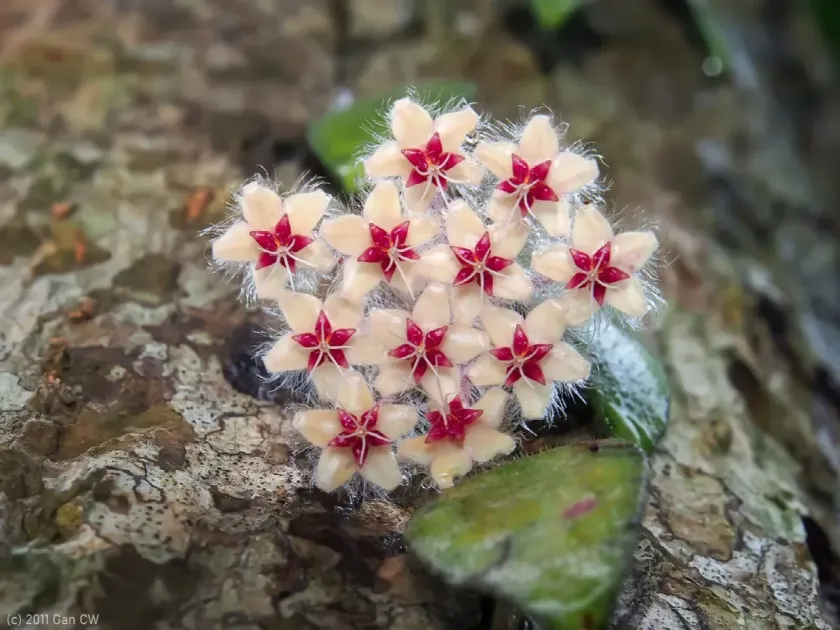
Description
Growing requirements
Hoya caudata is an exotic epiphytic vine belonging to the family Apocynaceae. Native to the tropical rainforests of Southeast Asia, specifically regions like Malaysia and Thailand, this plant naturally thrives as a lithophyte or epiphyte in highly humid environments.
The successful cultivation of this species depends on maintaining a high ambient humidity level, ideally between 60% and 80%. In greenhouse or indoor settings, consistent humidity levels prevent the dehydration of the pubescent foliage and support healthy vegetative growth.
Proper light management is essential; the plant requires bright, indirect light to stimulate growth and flowering. Direct sunlight should be avoided, as it can easily scorch the leaves, causing permanent tissue damage and reducing the overall aesthetic and physiological health of the plant.
The substrate must be extremely well-draining, mimicking the natural growing conditions on tree barks. An ideal growing medium consists of orchid bark, perlite, horticultural charcoal, and a small percentage of coco coir, which ensures adequate aeration and prevents root asphyxiation.
Temperature regulation is critical for maintaining vigor. The plant prefers consistent temperatures between 20°C and 26°C. Sudden fluctuations or prolonged exposure to temperatures below 15°C can lead to metabolic stress, leaf drop, and increased susceptibility to opportunistic infections.
Main diseases and pests
The most significant pests affecting Hoya caudata include mealybugs, spider mites, and scale insects. These pests thrive in stagnant air and low humidity, often hiding in leaf axils or on the underside of leaves; they should be managed with systemic insecticides or neem-based treatments.
Root rot, driven by overwatering or soil compaction, is a lethal threat to the plant's health. Agronomic practices must prioritize a drying cycle where the substrate is allowed to dry out significantly before the next irrigation event to ensure optimal oxygen circulation around the root zone.