
Hoya campanulata
Hoya campanulata
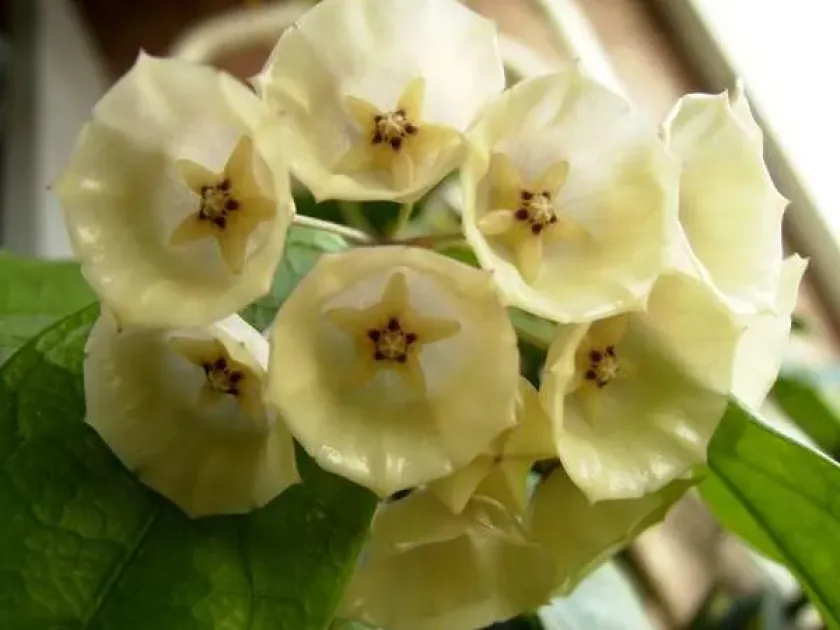
Description
Growing requirements
Hoya campanulata is a species of flowering plant within the Apocynaceae family. Native to the tropical regions of Southeast Asia, this epiphyte is highly valued for its unique bell-shaped inflorescences.
The plant thrives in warm, humid conditions that mimic its natural jungle habitat. Ideal temperatures range from 20°C to 25°C, and it is sensitive to cold air currents and sudden environmental shifts.
Growing media should be light and chunky to allow for optimal airflow around the root system. A mixture of orchid bark, perlite, and charcoal is widely considered the best standard for its cultivation.
Lighting requirements include bright, indirect sunlight. Harsh, direct afternoon sun can cause leaf scorch, while insufficient light levels will significantly reduce the chances of the plant blooming.
Water management is crucial for the success of this crop. The medium should remain consistently moist but never waterlogged, as stagnant moisture is the primary cause of root degradation in Hoyas.
Main diseases and pests
The most frequent pests affecting Hoya campanulata include mealybugs, aphids, and spider mites. These pests thrive in environments with low air circulation and poor humidity management.
Fungal pathogens such as Phytophthora can affect the stems and root system when the plant is kept in saturated soil for extended periods without proper drainage.
To maintain plant health, it is essential to monitor for leaf discoloration or wilting. Early identification of pest clusters can often be handled with light horticultural oils or insecticidal soap.
Root rot is the most dangerous condition for this species. It is characterized by blackened roots and a foul smell, often requiring emergency repotting into fresh, dry substrate.
Preventative measures include maintaining a strict watering schedule and ensuring that the foliage is kept dry at night to prevent the onset of opportunistic bacterial infections.