
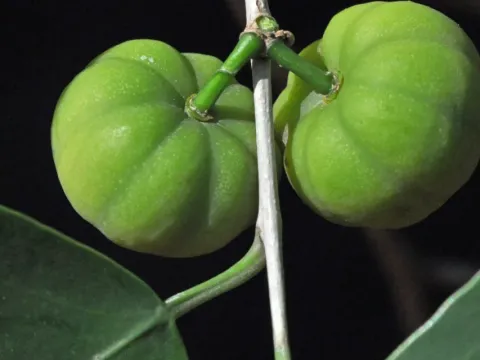
Heywoodia
Heywoodia
Heywoodia (Heywoodia lucens) is a significant evergreen tree species belonging to the Euphorbiaceae family. Native to tropical Africa, it is known for its ability to thrive in dense forest environments, contributing to the structural diversity of the ecosystem.
What the section contains

Heywoodia
The cultivation of Heywoodia requires a strictly tropical climate characterized by consistently high temperatures and abundant rainfall. It is intolerant of frost or significant temperature drops, which restricts its agricultural suitability to specific geographic zones.
Soil requirements involve deep, fertile, and well-drained substrates. The plant is sensitive to waterlogging, necessitating the selection of sites with good natural drainage or the installation of irrigation and drainage infrastructure in managed plantations.
Young plants require partial shade to establish effectively, mimicking the light conditions of the forest understory. As the trees mature, they develop greater resilience and can tolerate full sun exposure while maintaining a consistent growth rate.
Agricultural practices for this species focus on site preparation and the maintenance of soil fertility. Regular monitoring for nutrient deficiencies and the application of organic mulch are recommended to support vigorous tree health and structural integrity.
The primary economic value of Heywoodia lies in its high-quality timber. The wood is renowned for its durability, density, and resistance to environmental stress, making it an excellent choice for heavy-duty construction and interior design applications.
Timber harvesting is managed through sustainable logging practices, which prioritize the selective removal of mature trees. This approach ensures that the surrounding forest environment remains stable and promotes the natural regeneration of the species.
Harvesting timber requires professional processing techniques to optimize yield and quality. Once felled, the logs are typically treated and kiln-dried to prevent warping and ensure long-term stability for manufacturing fine furniture or decorative pieces.
Beyond timber, Heywoodia seeds are collected for nursery propagation. Successful germination requires fresh seeds and controlled nursery conditions, as the viability of the seeds diminishes rapidly after collection from the mature capsules.
Research continues into the potential medicinal properties of the tree, as various parts of the plant are traditionally valued for their chemical compounds. This exploration could add long-term value to plantations beyond simple wood production.