
Heywoodia lucens
Heywoodia lucens
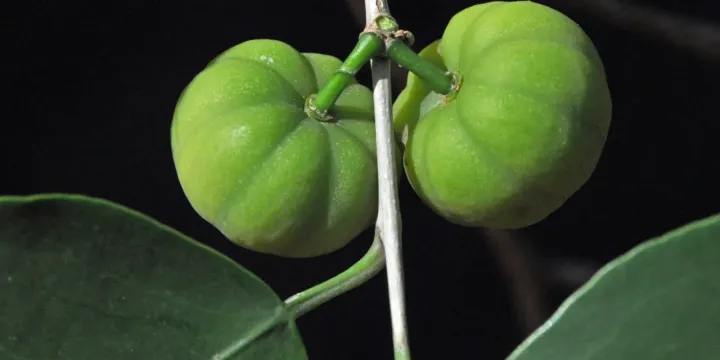
Description
Growing requirements
Heywoodia lucens is a significant evergreen tree species belonging to the Euphorbiaceae family. In its natural habitat, the tree exhibits a robust growth pattern, often reaching considerable heights and developing a dense canopy that serves as a crucial element of the forest ecosystem structure.
The native distribution of this species is centered in the tropical regions of Africa, including areas within South Africa and Mozambique. It thrives primarily in moist forest environments and coastal regions where high ambient humidity and consistent rainfall patterns create a stable microclimate conducive to its biological cycle.
From a botanical standpoint, the species is well-adapted to shade-tolerant growth within the understory and middle layers of dense forests. It requires deep, nutrient-rich soils that provide excellent drainage, ensuring that the root system remains healthy and free from waterlogging, which is essential for the tree's long-term development.
Agrotechnical management of Heywoodia lucens is largely focused on selective forest maintenance rather than intensive plantation farming. Due to its precise environmental sensitivities, propagation is most successful when simulating the natural light and moisture conditions found in undisturbed tropical forest sites.
The economic utility of Heywoodia lucens is primarily tied to the forestry industry. The wood is recognized for its exceptional hardness, density, and natural durability against environmental degradation, making it a highly sought-after material for high-end furniture manufacturing and heavy construction applications.