
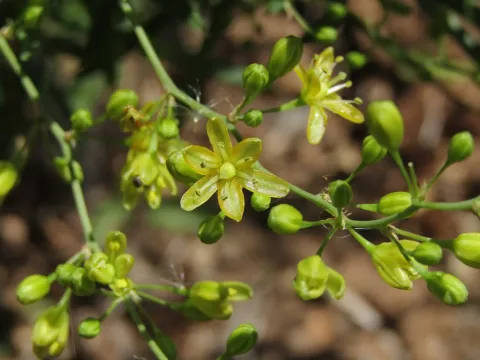
Herreria
Herreria
Herreria is a genus of perennial climbing plants belonging to the family Asparagaceae. These plants are native to the tropical and subtropical regions of South America, including countries like Brazil and Argentina.
What the section contains

Herreria
The genus is characterized by its vining growth habit, supported by woody or tuberous rhizomes. The stems often possess specialized structures or spines that facilitate climbing, allowing the plant to reach significant heights in its natural forest habitat.
Successful cultivation of Herreria requires a warm, humid environment with consistent temperatures. They are not frost-tolerant and are typically grown in greenhouse conditions or conservatory environments in regions outside their native range.
Regarding soil requirements, Herreria thrives in well-draining, nutrient-rich potting media. A slightly acidic to neutral pH is optimal, and the soil must never remain waterlogged, as the tuberous roots are highly susceptible to saturation damage.
In terms of хозяйственное использование, or economic use, Herreria is valued primarily as an ornamental specimen. Its unique foliage and climbing structure make it a desirable addition for botanical collections and indoor landscaping projects.
The most common disease affecting Herreria is root rot, which is almost exclusively caused by improper irrigation practices. Maintaining a balance of moisture and excellent drainage is essential to prevent fungal outbreaks within the root system.
Pest management should focus on monitoring for common greenhouse pests such as spider mites and scale insects. These organisms thrive in dry air conditions and can cause severe damage to the foliage if left untreated.