
Hellebore Sahinii
Helleborus x sahinii Grimshaw
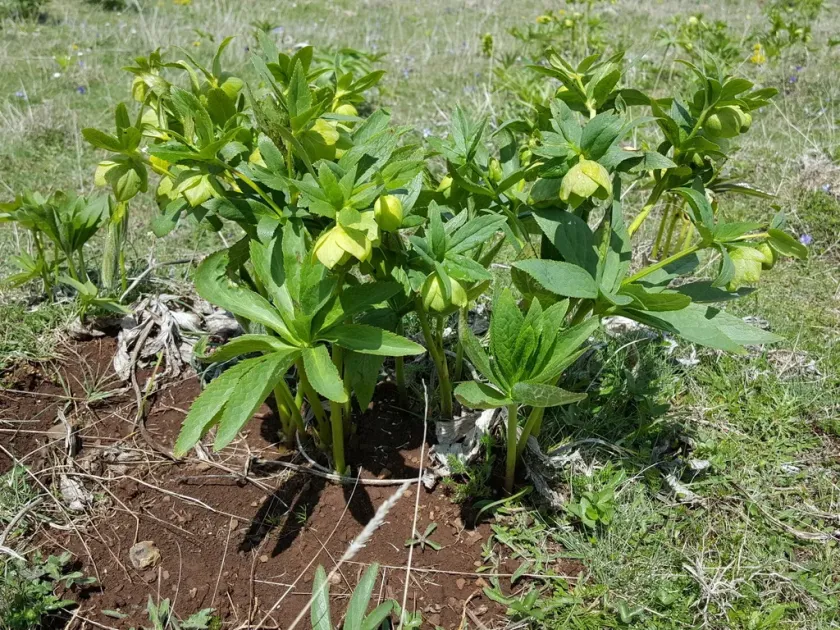
Description
Growing requirements
Helleborus x sahinii is a striking hybrid member of the Ranunculaceae family, valued by gardeners and landscape designers for its ability to provide early spring blossoms. As a cultivated plant, it bridges the gap between different species, resulting in improved vigor and floral characteristics.
The cultural requirements for this plant emphasize the need for partial shade. It thrives in positions sheltered from the intense afternoon sun, making it an ideal candidate for underplanting deciduous trees or shrubs, which provide the necessary canopy for filtered sunlight.
Regarding soil preferences, this hellebore requires a rich, humus-based, and well-drained substrate. While it enjoys consistent moisture, it is highly sensitive to waterlogging. Therefore, soil structure should be loose, with a neutral to slightly alkaline pH to ensure optimal nutrient uptake.
Climate adaptation is a key feature of this hybrid, as it displays robust winter hardiness in temperate regions. To maintain plant health, it is recommended to apply an organic mulch, such as leaf mold, around the crown in autumn. This mimics the natural forest floor habitat and insulates the roots.
Maintenance involves routine care such as cleaning away old foliage in late winter before the new growth emerges. This practice reduces the risk of fungal spores lingering from the previous season and ensures that the emerging blooms are prominently displayed without competition from dead leaves.
Main diseases and pests
The most significant pathological threat to this culture is Hellebore leaf spot, caused by the pathogen Coniothyrium hellebori. It manifests as dark, necrotic lesions that can quickly spread across the leaf surface, significantly reducing the plant's photosynthetic capacity and visual appeal.
Root rot, driven by Pythium or Phytophthora species, remains a persistent challenge in soils with poor aeration or excessive humidity. Agronomists stress the importance of proper site selection and soil amendment with grit or organic compost to prevent these water-borne diseases.
Aphid infestations commonly occur during the active growing season, particularly clustering on the succulent tissues of flower stalks. These sap-sucking insects can introduce secondary plant viruses, necessitating early intervention with mild insecticidal soaps or horticultural oils.
Slugs and snails present a seasonal risk, especially during the spring when new, tender growth is most vulnerable. Growers often employ integrated pest management strategies, including the use of physical barriers or natural deterrents to protect the developing buds and young leaves.
To ensure long-term health, a proactive approach to sanitation is mandatory. Any plant tissue exhibiting disease symptoms must be immediately removed and destroyed off-site. Maintaining adequate spacing between individual plants encourages airflow, which naturally suppresses the development of fungal outbreaks.