
Helleborus nigercors
Helleborus x nigercors J. T. Wall
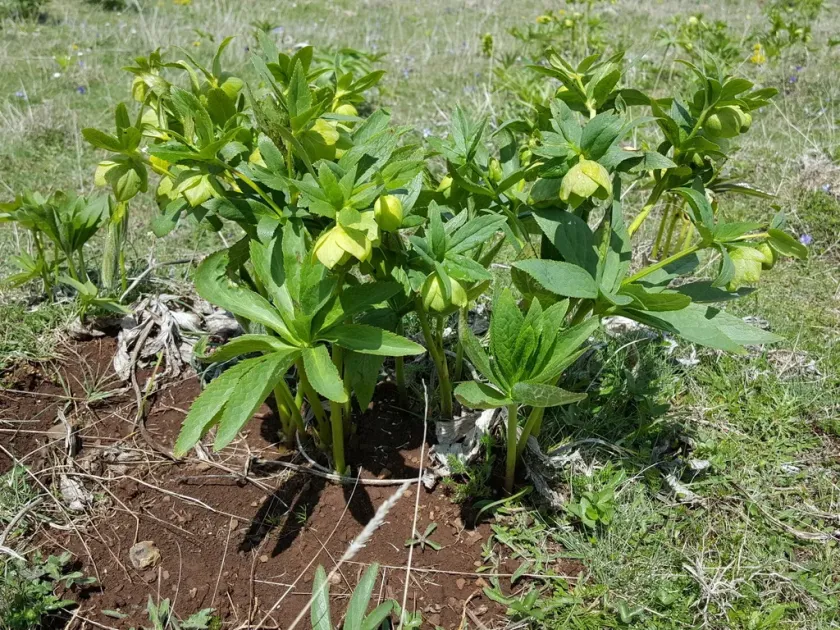
Description
Growing requirements
Helleborus nigercors (Helleborus x nigercors) is a sophisticated interspecific hybrid belonging to the Ranunculaceae family. It is the result of crossing Helleborus niger and Helleborus argutifolius, which imparts excellent winter vigor and distinctive ornamental foliage to the cultivar.
Botanically, this plant is characterized by its semi-evergreen leaves and large, outward-facing flowers that appear in late winter. The plant forms compact, sturdy clumps, making it an ideal choice for woodland-style garden plantings or containers.
Successful cultivation requires soil that is rich in organic matter and maintains consistent, moderate moisture. The pH levels should ideally be neutral to slightly alkaline, and the soil texture must allow for excellent drainage to prevent root waterlogging.
Regarding climatic requirements, the plant prefers cooler environments and partial shade. While it is relatively cold-hardy, protection from scorching summer sun is necessary to prevent leaf scorch and to maintain the plant's year-round lush appearance.
Economically, Helleborus nigercors is a significant asset in the commercial floriculture and nursery trade. It is highly valued for its ability to produce early blooms when most other perennials remain dormant, providing essential color in late winter gardens.
Main diseases and pests
The primary diseases affecting this crop include various leaf spot pathogens and fungal infections like Botrytis. These conditions are often exacerbated by high humidity and poor air circulation around the crown of the plant.
Root rot remains the most common physiological threat, often caused by heavy soils or excessive irrigation. Once the root system is compromised, the plant shows signs of wilting and necrosis, which are difficult to reverse without drastic intervention.
Pests such as aphids and spider mites can cause significant damage during the active growing season. They target the succulent new growth and flower buds, weakening the plant and sometimes transmitting secondary viral infections.
Slugs and snails are particularly problematic in moist, shady garden areas where these hellebores thrive. They can consume young foliage rapidly, necessitating the use of organic deterrents or bait to protect the aesthetic value of the planting.
To mitigate these threats, gardeners should implement strict sanitation practices, including removing dead leaves in late winter. Applying preventative treatments of appropriate fungicides and maintaining optimal soil conditions are the cornerstones of effective crop protection.