
Lemonnier hellebore
Helleborus x lemonnierae Demoly
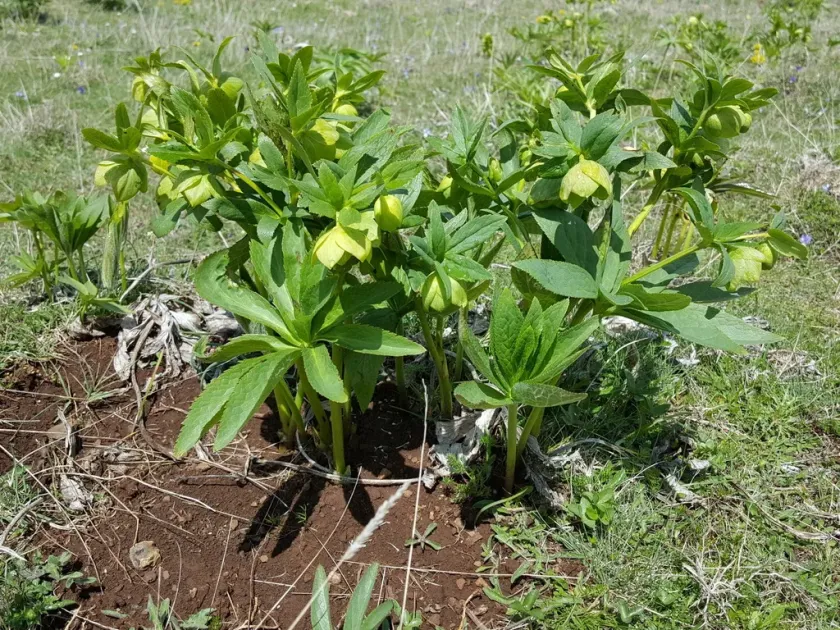
Description
Growing requirements
Lemonnier hellebore (Helleborus x lemonnierae) is a sophisticated interspecific hybrid within the Ranunculaceae family. Named after the French breeder, this cultivar is highly regarded for its robust structure and long-lasting floral display in late winter or early spring.
The plant thrives in partial shade conditions, mimicking its natural woodland habitat. It is essential to choose planting sites that are sheltered from harsh direct sunlight, particularly during the hot summer months to prevent foliage scorching.
Optimal growth is achieved in deep, moisture-retentive, humus-rich soils that are well-drained. While the plant appreciates consistent moisture, it is highly sensitive to waterlogged conditions which can severely damage the rhizomatous root system.
Cultural care involves a yearly application of organic matter or compost around the base of the plant. This mulch helps to maintain soil temperature and moisture levels, mimicking the natural leaf litter found in forests.
The plant is remarkably hardy, showing excellent resilience to fluctuating winter temperatures. However, during particularly dry periods, supplementary irrigation is recommended to ensure the plant remains vigorous and healthy for the next season.
Main diseases and pests
Black spot or leaf spot diseases, caused by various fungal pathogens, remain the primary concern for the health of Helleborus x lemonnierae. These appear as irregular dark patches on the leaves, often requiring sanitation measures.
Root rot represents a significant danger, especially if the soil drainage is inadequate. Once root decay occurs, recovery is often difficult, emphasizing the need for proper site preparation before planting.
Aphids can cause considerable stress to the plant during the early spring growth phase. They typically cluster around the developing flower buds and succulent new stems, distorting the plant's natural beauty.
Gastropods, such as slugs and snails, are frequent garden pests that relish the young, emerging foliage of the hellebore. Controlling their population is crucial in early spring to prevent significant cosmetic damage.
Integrated pest management strategies, such as maintaining good air circulation around the plants and prompt removal of diseased debris, are the most effective ways to ensure a healthy and thriving hellebore display.