
Stern's Hellebore
Helleborus x hybridus hort. ex Voss x H. x sternii Turrill
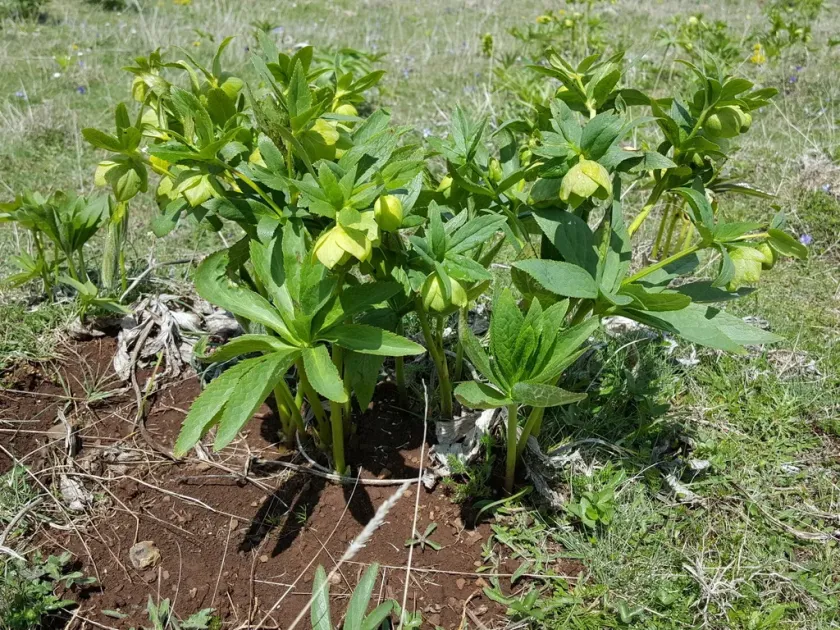
Description
Sowing dates
Stern's Hellebore (Helleborus x sternii) is a hybrid cultivar, and like many hellebores, it is best propagated through vegetative division rather than seeds to preserve the desirable phenotypic traits.
The ideal planting time for this perennial is early spring after the frost clears or during the early autumn months when the soil remains warm enough for root establishment.
When selecting a site, it is crucial to ensure well-draining soil, as this hybrid is highly susceptible to root rot if water remains stagnant around the crown.
Planting density should be managed by spacing individual plants at least 12 to 16 inches apart, allowing sufficient airflow to minimize the development of leaf diseases.
During the planting phase, incorporating high-quality compost or leaf mold into the soil helps improve drainage and provides essential nutrients for long-term growth.
Growing requirements
This plant belongs to the Ranunculaceae family and is highly valued for its striking, leathery, and often marbled evergreen foliage alongside its unique floral displays.
It thrives in partial shade environments, benefiting from dappled light that protects its foliage from scorching during intense summer sun exposures.
Stern's Hellebore prefers alkaline to neutral, humus-rich soil that maintains constant moisture without becoming waterlogged, mirroring its natural limestone-rich habitats.
In colder regions, applying a layer of organic mulch around the base of the plant is recommended to protect the root zone from temperature fluctuations during winter.
Routine care involves applying a balanced slow-release fertilizer in early spring and pruning away older or damaged foliage to encourage new growth and flowering.
Main diseases and pests
The primary pathological threat is Hellebore Leaf Spot (Coniothyrium hellebori), which manifests as dark, irregular spots on the leaves and can spread rapidly under high humidity.
Poor soil drainage frequently leads to crown and root rot, which are often fatal to the plant if not detected during the early stages of infection.
Pests such as aphids and spider mites can infest the plant, particularly in warm and dry conditions, feeding on the tender emerging leaves and stems.
Gastropods, including snails and slugs, pose a significant nuisance by consuming the foliage, which can severely compromise the plant's aesthetic value.
Integrated pest management strategies should focus on strict hygiene, such as removing dead leaf tissue annually, and using targeted fungicides to combat fungal pathogens.