
Helleborus x ericsmithii
Helleborus x ericsmithii
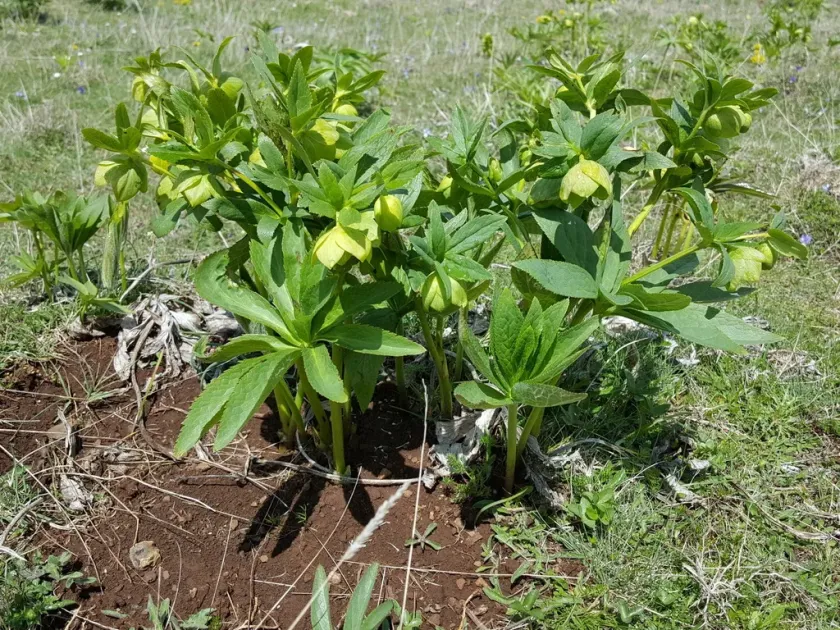
Description
Growing requirements
Helleborus x ericsmithii is a sophisticated hybrid perennial belonging to the Ranunculaceae family. It is a cross between Helleborus niger and Helleborus sternii, resulting in a vigorous garden plant known for its attractive foliage and long-lasting floral displays during the cooler seasons.
This species thrives in partial to full shade, mimicking its natural woodland habitat. It is best situated under deciduous trees where it can receive filtered light during the spring and protection from the intense heat of the summer sun.
The soil requirements are specific: it demands a humus-rich, well-draining, and slightly alkaline or neutral soil. Good drainage is paramount to prevent root rot, as the fleshy root system of the hellebore is particularly susceptible to damage from stagnant water.
In terms of climate, Helleborus x ericsmithii is appreciated for its winter hardiness. It can withstand frost and low temperatures quite well, making it a valuable addition to gardens where early spring color is desired when most other plants remain dormant.
Gardeners should practice consistent but moderate watering, especially during the first year of establishment or during dry spells. Mulching with organic matter helps retain moisture, regulate soil temperature, and provides a continuous source of slow-release nutrients.
Main diseases and pests
Leaf spot caused by fungi is a primary concern for this hybrid, often triggered by prolonged humidity and lack of air circulation. Symptoms include dark, irregular blotches on the foliage that can reduce the plant's overall vigor if left untreated.
Botrytis, or grey mold, represents another significant risk. It thrives in cool, damp conditions and can quickly rot the crowns and stems of the plants, necessitating the immediate removal of infected debris and the use of appropriate fungicides.
Slugs and snails are the most common pests, showing a strong preference for the succulent new growth and flowers of the hellebore. Gardeners often use physical barriers, such as copper tape, or organic baits to protect the plants during the spring growth phase.
Aphids occasionally colonize the flower buds, causing deformation or stunted growth. While they are usually a minor nuisance, heavy infestations should be treated with insecticidal soaps or horticultural oils to ensure the plant's health and aesthetic appeal.
To keep the plants healthy, it is essential to maintain a clear garden space. Removing old foliage in late winter before the new growth emerges is a standard cultural practice that significantly reduces the overwintering potential of various pests and fungal pathogens.