
Helleborus x ballardiae
Helleborus x ballardiae B. Mathew
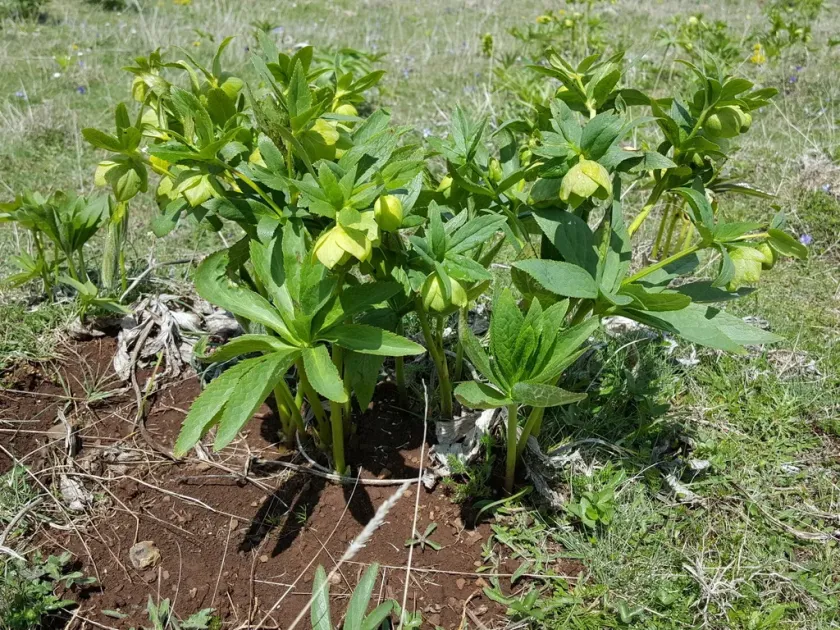
Description
Growing requirements
Helleborus x ballardiae is an interspecific hybrid belonging to the Ranunculaceae family, created by crossing Helleborus niger and Helleborus foetidus. It is a highly valued evergreen perennial known for its structural beauty and early flowering period.
The plant thrives in partial shade or dappled light, ideally placed under deciduous trees. It requires a humus-rich, well-draining soil that is neutral to slightly alkaline, ensuring that the roots remain cool and moist during the growing season.
Botanical characteristics include thick, leathery, dark green leaves that persist throughout the year. The flowers are notable for their sturdy, upward-facing appearance, often transitioning from creamy colors to rich, deep purples as they mature in the winter and spring.
Regarding climate, this hybrid is hardy and prefers cool temperate conditions. It requires protection from strong winds and intense afternoon sun, which can dehydrate the broad leaves and lead to premature wilting during dry spells.
Agronomic maintenance involves yearly mulching with organic compost and ensuring consistent moisture levels. Division of the rootstock is the most effective method for propagation, performed carefully after flowering to avoid disturbing the fragile root system.
Main diseases and pests
Leaf spot, caused by the fungus Coniothyrium hellebori, is the most significant disease for this species. It creates necrotic, dark lesions on the leaves, necessitating the prompt removal and disposal of infected plant material to prevent spore spread.
Downy mildew can occur in overcrowded plantings where air circulation is restricted. The symptoms include yellowing leaves and a fine, fuzzy mold developing on the undersides, which can be managed with proper thinning and appropriate fungicides.
Aphids are the primary insect pests, frequently targeting new flower buds and tender stems. These sap-sucking insects can stunt growth and transmit viral diseases, making regular inspection a crucial part of the plant management cycle.
Slugs and snails present a seasonal challenge, especially when new growth emerges in late winter or early spring. Using physical barriers like crushed shells or specific non-toxic baits is recommended to preserve the integrity of the foliage.
To ensure long-term health, gardeners should practice good sanitation by clearing debris from the base of the plants. Early intervention with suitable fungicides and keeping the area clear of decaying vegetation is the best defense strategy.