
Purple Hellebore
Helleborus purpurascens Waldst. & Kit.
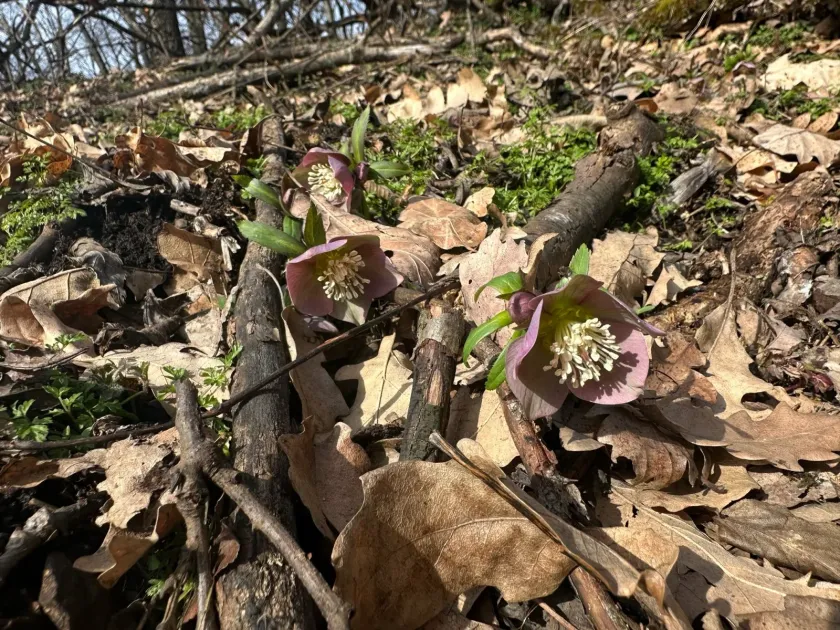
Description
Sowing dates
Propagation of Helleborus purpurascens is primarily achieved through division of established clumps or by sowing seeds. Division is best performed in early spring or late autumn when the plant is not actively pushing up new flower spikes.
When propagating by seed, it is essential to collect them as soon as they ripen and sow them immediately. Seeds require a period of cold stratification to break dormancy, so outdoor sowing in autumn is the most reliable method.
The seeds should be sown in a well-draining, humus-rich potting mix at a depth of about 1 centimeter. Containers should be placed in a shaded area where they are exposed to natural temperature fluctuations during the winter months.
Growth from seed is characteristically slow. Seedlings typically take three years to reach a flowering size, which is why division is the preferred method for home gardeners who wish to see results in a shorter timeframe.
When transplanting divisions, ensure the crowns are planted at the same depth as they were originally growing. Planting too deeply can result in a lack of blooms, while shallow planting can lead to desiccation of the roots.
Growing requirements
The Purple Hellebore, belonging to the Ranunculaceae family, is a shade-loving herbaceous perennial native to Central and Eastern Europe. It is highly valued for its nodding, purple-tinged flowers that bloom in late winter or early spring.
This plant thrives in shady or semi-shaded environments, ideally under the canopy of deciduous trees. This mimics its natural woodland habitat where it is protected from intense, direct sunlight that can damage its evergreen leaves.
Soil requirements focus on deep, fertile, and well-draining loam. Adding organic matter, such as leaf mold or well-rotted compost, before planting is crucial to ensure the plant receives the nutrients it needs for vigorous growth.
Regarding moisture, the soil should be kept consistently moist but never waterlogged. While it is hardy and can withstand cold temperatures, it prefers a sheltered spot protected from harsh, drying winds that can affect leaf quality.
Regular maintenance includes clearing away old, tattered leaves in late winter. This not only improves the appearance of the plant but also allows for better air circulation and sunlight access for the emerging flower buds.
Main diseases and pests
The most significant disease threat is Hellebore leaf spot, caused by the fungus Coniothyrium hellebori. It manifests as dark, circular spots on leaves and stems, often flourishing in wet, crowded conditions.
Managing the plant density and ensuring good airflow is the primary defense against fungal infections. If spots are detected, affected foliage should be pruned and disposed of carefully to prevent the spread of spores.
Slugs and snails are the most common pests, particularly attacking the tender new growth in spring. Various organic controls, such as copper tape or physical barriers, can be effective in protecting young plants from these mollusks.
Aphids may occasionally infest the flower buds. While rarely fatal to mature plants, a heavy infestation can cause stunted growth or distorted blooms, requiring the application of insecticidal soaps or neem oil.
Root rot is a common issue resulting from overwatering or poorly drained soil. If the plant shows signs of sudden wilting, check the soil drainage and reduce irrigation frequency to allow the root system to recover.