
Oriental hellebore
Helleborus orientalis x Helleborus x ericsmithii
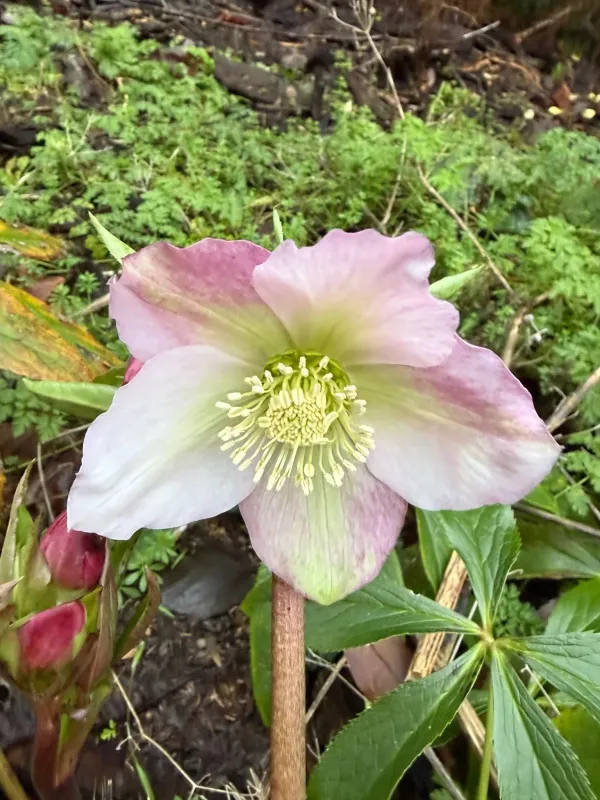
Description
Sowing dates
Seeds of the Oriental hellebore should be sown immediately after harvest to ensure viability. Fresh seeds are essential for germination, as they lose their ability to sprout quickly if allowed to dry out.
The seeds require a period of cold stratification to break dormancy. Sowing in late summer or early autumn allows the seeds to undergo a natural cooling cycle over winter, leading to spring germination.
When using a nursery setup, place the containers in a cool location mimicking winter temperatures for about two months. Once the cycle is complete, move them to a warmer area to initiate sprout development.
Planting depth should be kept shallow, typically around 1–2 centimeters. Proper moisture retention in the seedbed is crucial for the success of the germination process.
Growth is notably slow during the first two years of the plant's life. Seedlings require consistent care and protection from invasive weeds until they reach sufficient maturity for transplanting.
Growing requirements
The Oriental hellebore belongs to the Ranunculaceae family. It is a prized perennial known for its early blooming cycle, which often occurs while the ground is still cool or partially frozen.
These plants thrive in partial shade, mimicking the forest floors where they naturally originate. Deep, dappled shade provided by deciduous trees is the ideal environment for their growth.
Soil conditions must be fertile and rich in organic matter. A well-draining soil structure is critical, as the roots are highly susceptible to rot if they sit in standing water for extended periods.
The plants prefer neutral to slightly alkaline pH levels. Regular incorporation of leaf mold or compost into the planting site enhances soil structure and provides the nutrients necessary for healthy foliage.
While they are extremely hardy in cold climates, they appreciate a layer of mulch during the winter. This protects the crown from extreme temperature fluctuations and retains essential soil moisture.
Main diseases and pests
Leaf spot caused by Coniothyrium hellebori is the most common pathology. It manifests as dark, unsightly spots on the foliage and can spread rapidly if conditions remain overly damp and humid.
Root rot is a significant danger associated with improper site selection and poor drainage. Once established, it can kill mature plants, making prevention through soil management the primary solution.
Aphids are the most frequent insect pests. They feed on the sap of developing buds and leaves, often causing stunted growth and potentially spreading viral pathogens between plants.
Slugs and snails can cause cosmetic damage by consuming the leaves and flowers. Regular garden hygiene and barrier methods can effectively manage these populations without heavy chemical use.
Integrated pest management includes ensuring adequate spacing between plants to improve airflow, which significantly reduces the pressure from fungal diseases and airborne pests.
Harvesting
The primary use of the Oriental hellebore is ornamental. Flowers may be harvested for fresh arrangements once they have fully matured and become leathery, which ensures a long vase life.
Seed collection requires careful observation. Once the seed pods begin to dry and change color, they should be bagged to capture the seeds before they are naturally dispersed into the soil.
Care must be taken when handling any part of the plant, as all species within the genus are toxic if ingested and can cause skin irritation. Always wear gloves during maintenance work.
Removing damaged or old foliage in late winter before new growth emerges is a standard practice. This cleaning process improves the display of the emerging flowers and prevents disease accumulation.
Vegetative propagation is achieved by dividing established clumps. This task is best performed after the flowering period ends, allowing the divisions time to re-establish before the winter season begins.