
Helianthemum viscarium
Helianthemum viscarium
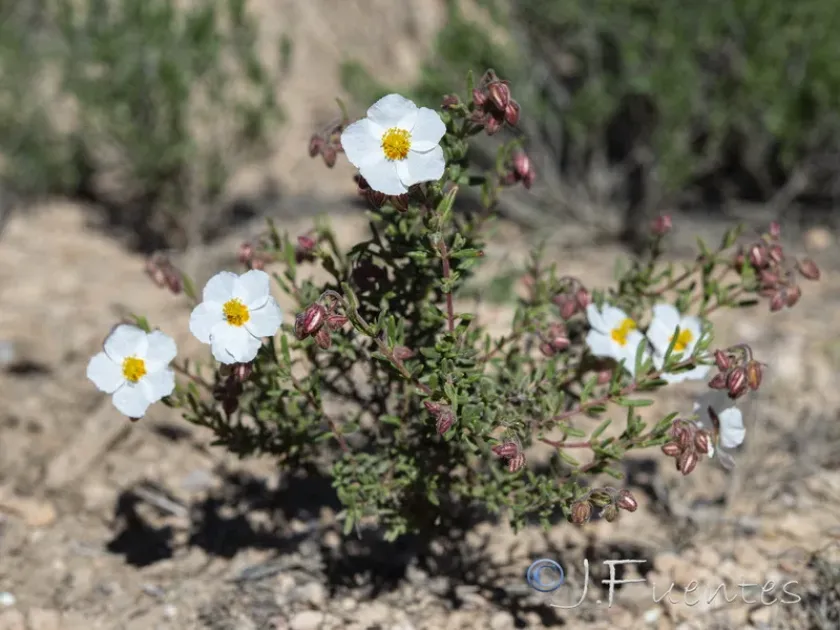
Description
Sowing dates
Sowing Helianthemum viscarium seeds is typically scheduled for early spring, between March and April. Stratification of the seeds for a period of two to four weeks is highly recommended to break dormancy and ensure a uniform germination rate across the nursery beds.
When sowing, seeds should be placed on the surface of the soil with minimal covering, as they require light to successfully germinate. A well-draining, sandy substrate is essential to prevent seed rot caused by excessive water retention during the delicate early growth stage.
Under controlled greenhouse conditions, maintaining temperatures around 18–20 degrees Celsius promotes optimal growth. Using a mix of peat and coarse sand provides the necessary aeration for root development while preventing the soil from becoming too compacted.
Transplanting seedlings requires significant care because the species possesses a sensitive root system. It is best to preserve the root ball completely during the transition from trays to individual containers or directly into the open ground to reduce transplant shock.
Once established in the garden, planting density should be monitored to ensure adequate airflow. A spacing of roughly 20–30 centimeters between plants helps create a visually appealing ground cover while preventing microclimatic conditions that favor fungal pathogens.
Growing requirements
Helianthemum viscarium thrives in full sun, demanding at least six to eight hours of direct light daily. Lack of proper solar exposure leads to stunted growth, reduced flowering intensity, and weakened stems that are prone to lodging.
The ideal soil profile for this plant includes lean, rocky, or sandy textures with high drainage capabilities. Soil that retains water for prolonged periods is highly detrimental to this species, as it is naturally adapted to arid and nutrient-poor environments.
Soil pH plays a critical role in the nutrient uptake of this crop. Neutral to slightly alkaline soils are preferred; in acidic soil conditions, the plant may show symptoms of chlorosis, requiring an application of lime to correct the soil chemistry for optimal health.
Watering regimes should be kept minimal once the plant is established. The species is highly drought-tolerant, utilizing its specialized root architecture to survive in challenging, dry habitats where other ornamental species might perish due to water stress.
Fertilizer application should be strictly limited. An excess of nitrogen-based nutrients forces succulent growth that is susceptible to winter damage and pest infestation, ultimately reducing the plant's natural longevity and hardiness in the field.
Main diseases and pests
Root rot caused by Oomycetes and various soil-borne fungi is the most significant threat to Helianthemum viscarium plantations. These infections are almost exclusively linked to poor drainage and overwatering, necessitating strict adherence to irrigation protocols.
Powdery mildew represents a common aerial pathogen that affects the foliage during humid conditions. The characteristic white fungal mat hinders the plant's ability to photosynthesize, which can eventually lead to the loss of vigor and potential death of the affected stems.
Pests such as aphids and spider mites are frequent invaders of these plants, especially in hot and dry climates. These pests extract plant fluids from the leaves and buds, causing visible distress and creating entry points for secondary bacterial and fungal infections.
Winter desiccation and root damage from freezing temperatures in wet soil are major concerns. Ensuring the site is well-drained during the thaw is crucial for the survival of the crown and root system, as standing water often leads to irreparable damage.
Integrated pest management, including the use of neem oil or targeted insecticidal soaps, is effective in controlling infestations. Maintaining healthy cultural practices—such as removing debris and avoiding overhead watering—remains the best preventative strategy.