
Egyptian rockrose
Helianthemum aegyptiacum
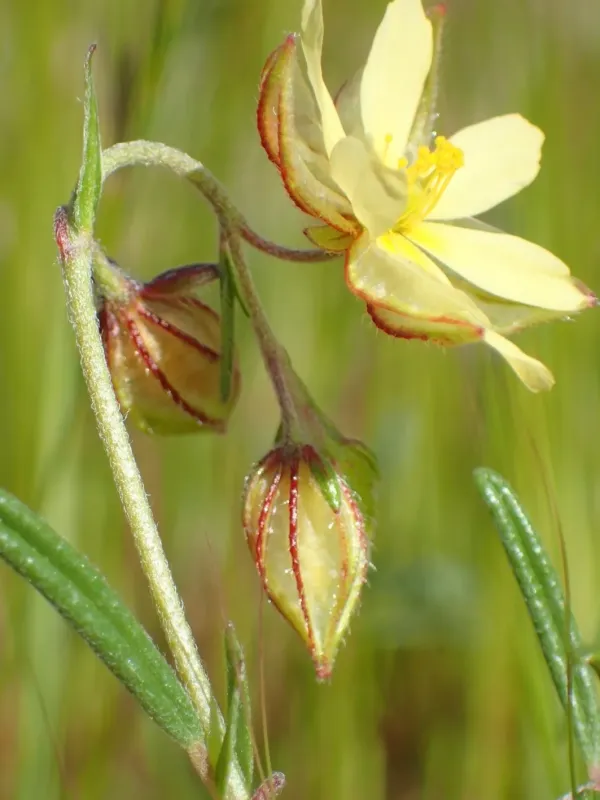
Description
Growing requirements
Egyptian rockrose (Helianthemum aegyptiacum) is an annual herbaceous plant belonging to the Cistaceae family. Unlike perennial varieties of the genus, this specific species is adapted to completing its growth cycle in arid and semi-arid environments.
The plant originates from the Mediterranean basin and Northern Africa. It has successfully evolved to thrive in regions characterized by prolonged droughts, intense heat, and high levels of solar radiation throughout the year.
From a botanical perspective, the plant exhibits features typical of xerophytes, including reduced leaf surface areas to minimize transpiration and deep-reaching root systems designed to extract moisture from arid, rocky soils.
Climatic requirements are centered around high sun exposure and a well-defined dry season. The plant fails to thrive in humid climates, as the combination of moisture and lower temperatures often results in developmental failures.
Soil requirements are relatively specific: the substrate must be highly permeable, such as sandy, gravelly, or calcareous soils. Proper soil drainage is the single most important factor to prevent root rotting in this species.
Main diseases and pests
The most significant threat to the Egyptian rockrose is waterlogging, which directly causes root decay and creates an environment favorable for various pathogenic soil fungi.
Fungal diseases like powdery mildew present a challenge if air circulation is insufficient. High humidity levels at night can trigger leaf lesions and reduce the overall vitality of the plant population.
Pests are generally not a primary concern in natural habitats, but under controlled environments, aphids and spider mites can become an issue if the plant is kept in poor, stagnant air conditions.
Competition from more aggressive, fast-growing weeds is a major threat during the early seedling stage, as the Egyptian rockrose grows slowly and cannot outcompete taller invasive plant species.
Improper soil management during weeding can lead to physical root damage, which increases susceptibility to secondary infections and stunts the growth of this fragile annual plant.