
Narrowleaf rock rose
Helianthemum angustatum
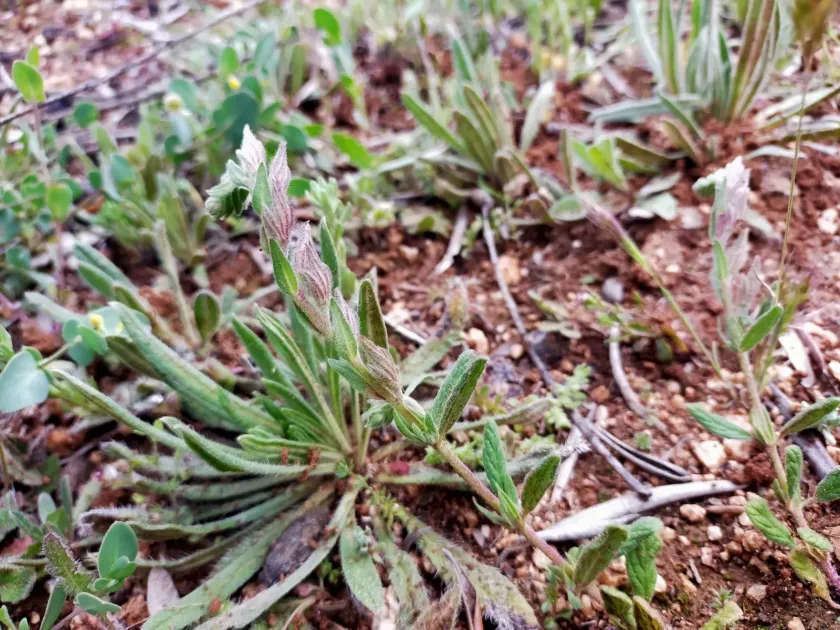
Description
Sowing dates
Sowing of Helianthemum angustatum seeds is best performed during the spring season once the soil has warmed up. Late April to early May provides the most favorable conditions for germination and early seedling growth.
For indoor propagation, seeds can be started in late winter, specifically in March. Using a well-draining, lightweight starting mix is essential to prevent seedling dampening and ensure successful root development before transplantation.
Surface sowing is recommended as the seeds require sufficient light for optimal germination. Press the seeds gently into the substrate without covering them heavily, maintaining consistent moisture levels until sprouts appear.
Seedlings should be spaced approximately 30 to 40 centimeters apart when transferred to the permanent outdoor location. This spacing encourages proper airflow, which is critical for reducing the risk of foliage diseases.
Uniform germination usually occurs within two to three weeks under controlled conditions. Once the seedlings reach a height of 5-7 centimeters, they can be hardened off and moved to a sunny spot in the garden.
Growing requirements
The narrowleaf rock rose is a highly heliophilic species that thrives in full sun. It requires a location receiving at least six to eight hours of direct sunlight daily to maintain its compact growth habit and vibrant flowering.
The ideal soil for this species is sandy or stony, with excellent drainage properties. It is naturally adapted to alkaline environments, so incorporating small amounts of limestone or crushed gravel can improve its long-term health in acidic soils.
Drought tolerance is a hallmark of this plant. Once established, the root system is capable of accessing deep moisture, making it an excellent candidate for xeriscaping or low-maintenance rock gardens where frequent watering is not feasible.
Avoid excessive fertilization as it promotes leggy growth and reduces the plant's natural resilience. A balanced, low-concentration mineral fertilizer applied once in early spring is sufficient to support seasonal development.
Climate adaptation is robust provided the winter drainage is adequate. The plant dislikes wet feet, especially during winter months, so planting on slopes or elevated beds is highly recommended to protect the root crown from rot.
Main diseases and pests
Fungal diseases are the primary concern for Helianthemum angustatum, particularly in humid or stagnant air environments. Powdery mildew typically manifests as white patches on the leaves, requiring prompt intervention with systemic fungicides.
Root rot caused by poor soil drainage can quickly lead to plant loss. If symptoms such as leaf yellowing or sudden wilting appear, it is imperative to check the soil moisture levels and ensure the site is not waterlogged.
Aphids and spider mites are common pests that may attack the foliage during hot, dry spells. Regular inspection is necessary, and if infestations are detected, simple insecticidal soaps or neem oil treatments are generally effective.
Prevention is the best approach to managing threats. Ensuring that the site has optimal sunlight exposure and adequate ventilation significantly reduces the susceptibility of the plant to both pest and disease outbreaks.
Nematodes can occasionally pose a threat in poorly maintained, previously cropped soil. Crop rotation or soil replacement in small containers is advised if previous plantings in the same location have struggled with similar soil-borne issues.
Harvesting
As this species is primarily cultivated for its ornamental value, harvesting consists mainly of seed collection and routine maintenance pruning to sustain visual appeal.
Deadheading faded blooms is a vital task that encourages the plant to direct its energy into new bud formation rather than seed production. This practice helps to extend the flowering season significantly.
Pruning should be performed with sharp, sterilized tools to prevent the introduction of pathogens. Cutting back the stems by about one-third after the main flowering flush keeps the plant dense and discourages woody, sparse growth.
Seed harvesting should take place in late summer when the seed capsules turn brown and begin to dry. Carefully remove the capsules, extract the seeds, and store them in paper envelopes in a cool, dry place until the next planting season.
For vegetative propagation, division of mature clumps can be undertaken in early spring. Carefully lift the plant, divide the root ball into sections, and replant immediately into prepared soil, ensuring adequate hydration until new growth is visible.